








Conveyor Belt Supplier
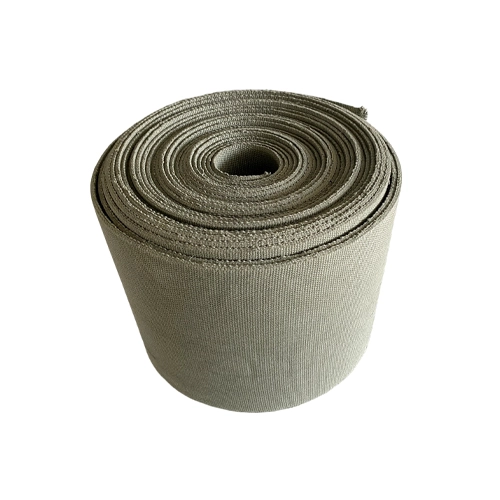
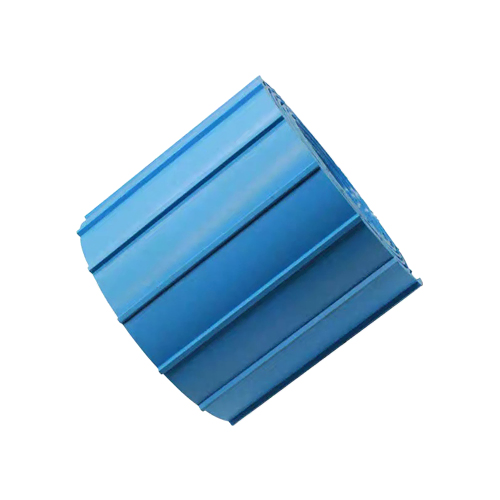
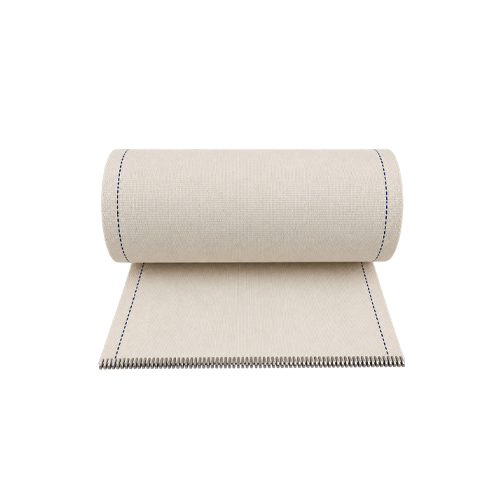
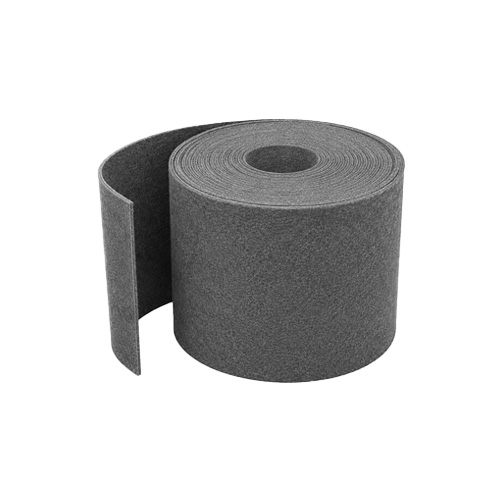
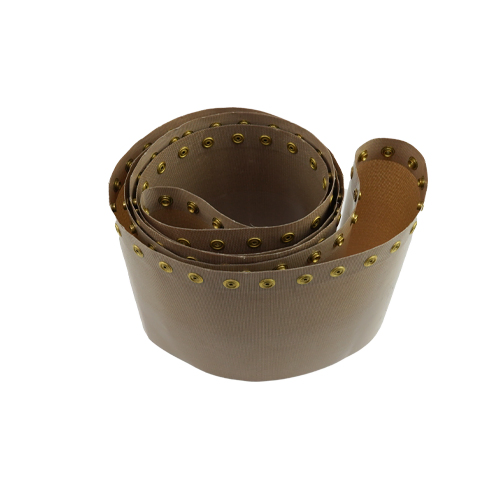
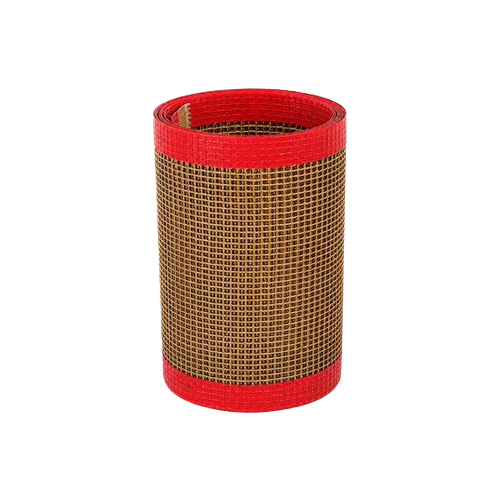
TRANDVOX supplies industrial conveyor belts for continuous product transport and material handling in food processing, packaging, logistics, and automated production systems. Our conveyor belt range includes PU, PVC, silicone, PTFE, felt, and other specialized belt constructions for different conveying conditions.
Conveyor Belt Types
Industrial conveyor belts provide a continuous conveying surface for transporting products and materials through production, processing, packaging, and handling systems. Different belt materials and constructions are selected according to the conveyed product, operating environment, load, speed, temperature, surface requirements, and equipment configuration.
The appropriate conveyor belt should provide the required combination of conveying stability, surface interaction, durability, flexibility, hygiene, and environmental resistance for the application.
Conveyor Belts by Material
| Material | Key Features | Typical Applications |
|---|---|---|
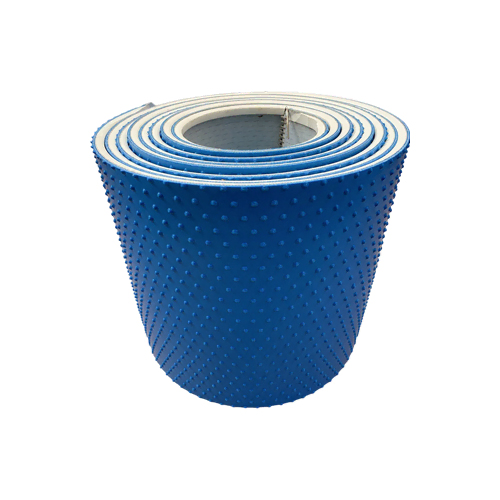
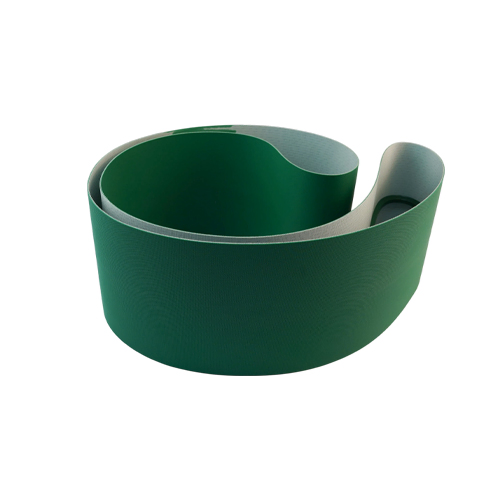
| PVC | Cost-effective and wear-resistantWide range of surface textures | Logistics and packagingElectronics and printingGeneral material handling |
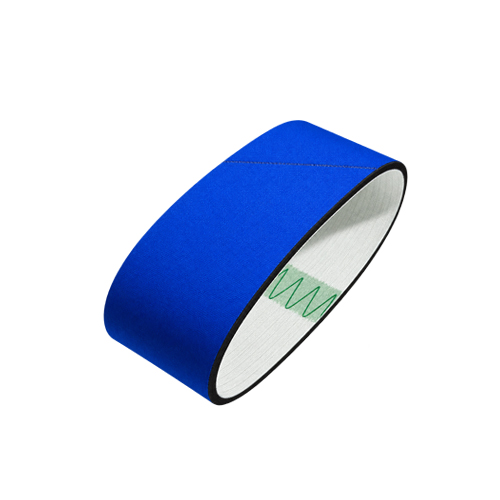
| PU | Excellent abrasion resistanceGood oil and grease resistanceFood-contact grades available | Food processingPharmaceuticalsPackaging and electronics |
| Silicone | Flexible and heat-resistantGood release propertiesNon-stick surface | Food processing and bakeryElectronicsSolar and heat processing |
| PTFE | Excellent heat resistanceLow-friction, non-stick surfaceStrong chemical resistance | Drying and bakingHeat sealingTextile and thermal processing |
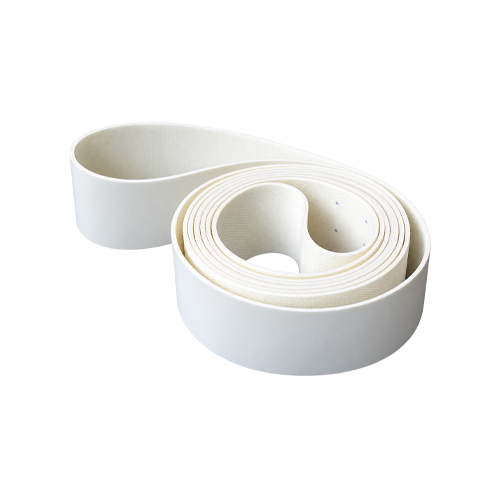
| Felt | Soft contact surfaceGood product protectionScratch-resistant conveying | Digital cutting and printingGlass and aluminum handlingSurface-sensitive products |
| Cotton | 100% woven cotton constructionFlexible textile conveying surface | Bakery and breadBiscuits and cookiesSelected food conveying |
Special Conveyor Belt Constructions
| Belt Type | Key Features | Typical Applications |
|---|---|---|
| PTFE Mesh Conveyor Belt | Open mesh for airflow, heat transfer, moisture passage and non-stick conveying | Drying, curing, textiles and heat-shrink packaging |
| Sponge Conveyor Belt | PVC or PU base with a compressible sponge layer for cushioning and controlled contact | Bottle labeling, packaging, glass handling and product positioning |
| Positive Drive Belt | Homogeneous TPU belt with integrated teeth for positive sprocket engagement | Food processing, meat and poultry, packaging and hygienic conveying |
| Kevlar Conveyor Belt | Woven Kevlar, PBO and 316L stainless steel fibers for high-temperature conveying | Hot glassware, aluminum extrusion, metal parts and ceramics |
Conveyor Belt Features
PVC, PU, silicone, PTFE, felt and cotton constructions are available for different conveying conditions and product-handling requirements.

Different conveying surfaces can be selected according to requirements for grip, release, product protection, wear resistance, hygiene, and interaction with the conveyed product.
Belt dimensions, construction, surface design and joining methods can be matched according to conveyor layout and equipment requirements.

Custom fabrication options such as cleats, sidewalls, V-guides, perforations, coatings and grooves are available to meet specific conveyor belt and equipment requirements.
Why Choose TRANDVOX as Your Conveyor Belt Supplier?
TRANDVOX supports OEMs, distributors, and industrial users with reliable conveyor belt sourcing, specification matching, customization coordination, and quality inspection. With a broad range of belt materials and constructions, we help customers select suitable solutions based on equipment, application, and operating requirements, while supporting custom specifications, replacement matching, consistent quality, and stable international delivery.
Conveyor Belt Applications
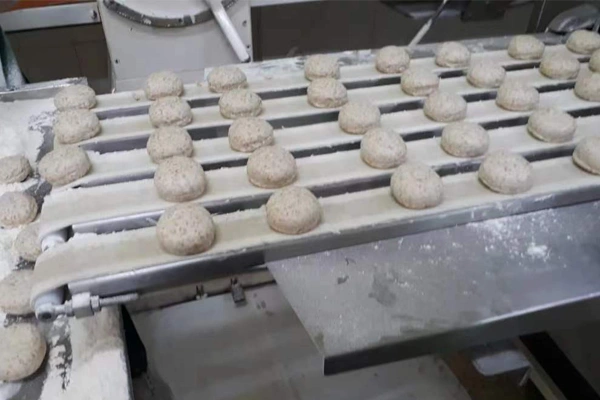
Conveyor belts provide continuous product transport through food processing, bakery, beverage, and packaging lines. Depending on the application, PU, silicone, PTFE, and other belt constructions can provide suitable conveying surfaces with hygiene, cleanability, temperature resistance, release, and product-handling properties.
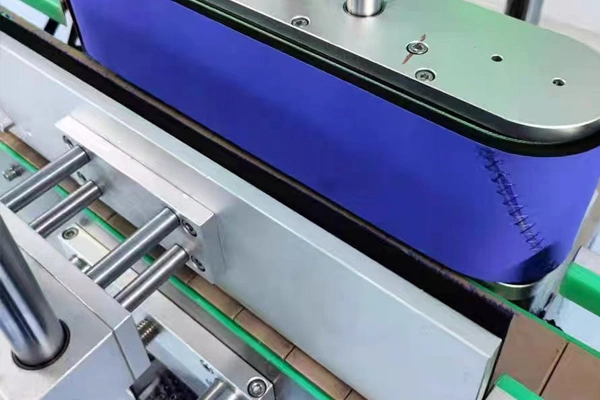
Conveyor belts provide a continuous conveying surface for product transfer, sorting, filling, sealing, and inspection processes in automated packaging lines. Suitable belt surfaces and configurations help maintain stable product movement, positioning, and conveying efficiency throughout the line.
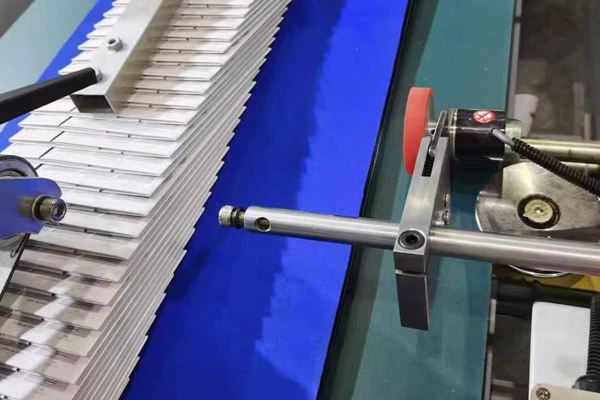
Conveyor belts are used in printing, paper handling, and automated feeding systems to provide stable transport of paper, printed products, and other materials between processing stages. Felt, coated, and other application-specific conveying surfaces can help protect products, maintain grip, and support consistent feeding.
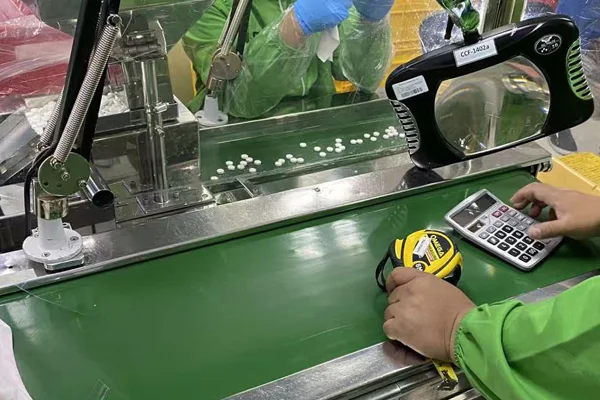
Conveyor belts are widely used in pharmaceutical production and medical packaging lines for product transfer, feeding, inspection, and packaging. Suitable belt materials and constructions can support clean product handling, easy maintenance, stable conveying, and application-specific hygiene requirements.
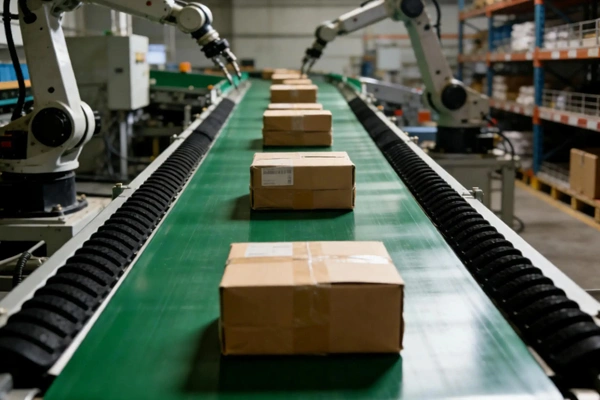
Conveyor belts are widely used in logistics sorting, warehousing, and automated distribution systems. The conveyor belt ensures fast and stable material flow in continuous operation, while durable structures and customized designs improve conveying efficiency, reduce maintenance requirements, and support intelligent logistics processes.
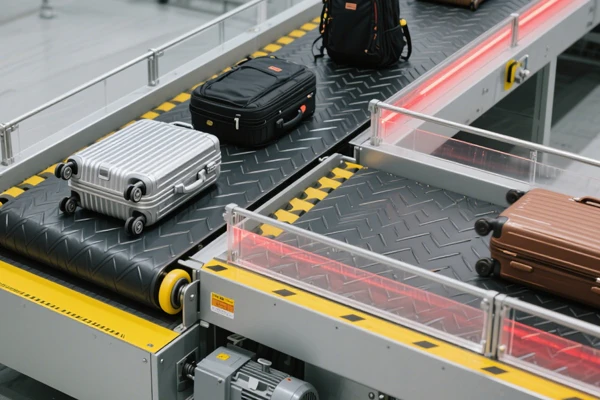
Conveyor belts are widely used in airport baggage handling and sorting systems. The conveyor belt ensures continuous operation, smooth transportation, and accurate baggage transfer, while wear-resistant materials and high-strength structures support heavy loads and long-term service performance.

Conveyor Belt Selection Guide
Choosing the right conveyor belt depends on the application, conveying material, operating environment, and equipment requirements. TRANDVOX helps customers evaluate key factors including belt material, width, thickness, length, load capacity, conveying speed, temperature, surface structure, and required fabrication. Whether for food processing, packaging, logistics, printing, or industrial material handling, the right belt specification helps improve conveying stability, service life, and overall equipment efficiency.
| Selection Factor | Key Considerations |
|---|---|
| Belt Material | PVC, PU, silicone, PTFE, felt, cotton, and specialized belt constructions |
| Belt Dimensions | Width, thickness, length, and belt structure |
| Application | Food processing, packaging, logistics, printing, electronics, etc. |
| Load & Speed | Product weight, conveying speed, and operating frequency |
| Temperature | Normal, low-temperature, or high-temperature environments |
| Surface Design | Smooth, rough-top, diamond, chevron, grass, or custom patterns |
| Special Configuration | Application-specific modifications according to conveyor layout and product-handling requirements |
Conveyor Belt Replacement
TRANDVOX provides replacement conveyor belt solutions for existing production lines and conveying equipment. Based on belt specifications, material, surface design, joining method, and application requirements, we help customers identify suitable replacement belts and fabrication options for different conveyor systems.
Standard Belt Replacement
Replacement solutions are available for PVC, PU, silicone, PTFE, felt, cotton, and other conveyor belt constructions, with customized dimensions to match existing equipment.
Endless & Joined Belt Replacement
We provide endless welded belts, mechanically joined belts, and other joining configurations for equipment requiring seamless or easy-to-install replacement solutions.
Customized Replacement Belts
Replacement belts can be matched to the required surface design, belt configuration, and application-specific features based on drawings, specifications, or samples.
Sample & Specification Matching
Customers can provide belt samples, drawings, dimensions, specifications, or equipment information. TRANDVOX uses these details to support accurate belt identification and replacement selection.
Conveyor Belt Quality Control
TRANDVOX applies application-based quality control throughout the conveyor belt supply and fabrication process. Each belt is checked according to its material, dimensions, construction, and customized processing requirements to ensure reliable compatibility and consistent performance.
Dimensional Inspection
Belt width, thickness, length, cleat dimensions, sidewall height, guide position, and other critical dimensions are checked against customer specifications or drawings.
Surface & Material Inspection
The belt surface, material condition, coating, texture, and overall appearance are inspected to identify defects, uneven surfaces, bonding issues, or other abnormalities.
Fabrication & Joint Inspection
For customized conveyor belts, the finished configuration and joining areas are checked against approved drawings, specifications, and confirmed order requirements. Relevant dimensions, positions, surface conditions, and processing details are verified as applicable.
Final Specification Verification
Finished conveyor belts undergo final inspection before shipment to confirm that the belt configuration, processing details, and overall specifications meet the agreed requirements.
Conveyor Belt FAQs
A conveyor belt is a continuous belt used to transport materials, products, or components from one location to another. Conveyor belts are widely used in manufacturing, food processing, packaging, logistics, and automated material handling systems.
A conveyor belt operates by moving continuously around a conveyor system using pulleys, rollers, and a drive mechanism. The belt transports products or materials along a predetermined path while maintaining stable and controlled movement.
Conveyor belts are used for transporting, sorting, feeding, and transferring products or bulk materials. Common applications include food processing, packaging, logistics, airports, printing, pharmaceuticals, electronics, and manufacturing.
Common conveyor belt types include PVC, PU, silicone, PTFE, felt and cotton conveyor belts, as well as specialized constructions such as PTFE mesh, sponge and positive drive belts.
Conveyor belts can be made from different materials depending on their application, including PVC, polyurethane (PU), silicone, rubber, PTFE, felt, polyester, and other reinforced materials. Different belt materials provide different levels of wear resistance, flexibility, temperature resistance, chemical resistance, and food safety.
The right conveyor belt depends on factors such as conveyed material, load, belt speed, operating temperature, moisture, oil exposure, required grip, and hygiene requirements. Belt material, thickness, surface structure, and fabrication options should also be considered.
Yes. Conveyor belts can be customized according to belt dimensions, conveying surface, construction, conveyor layout, and product-handling requirements. Drawings, samples, existing belt specifications, or equipment information can be used to evaluate the required configuration.
Conveyor belt service life varies depending on the belt material, operating conditions, load, speed, installation accuracy, and maintenance. Proper belt selection and regular inspection can significantly extend service life.
The cost of a conveyor belt depends on its material, dimensions, construction, thickness, surface design, fabrication requirements, and order quantity. Customized belts with special coatings, cleats, perforations, or joining methods may have a higher cost than standard belts.
A conveyor belt can be measured by determining its width, thickness, overall length, pitch or profile where applicable, and joint configuration. For replacement belts, providing equipment dimensions, belt specifications, or a sample can help ensure accurate matching.


