







V-Belt Supplier
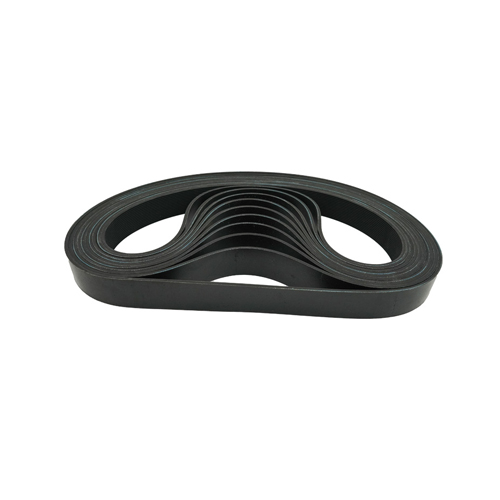
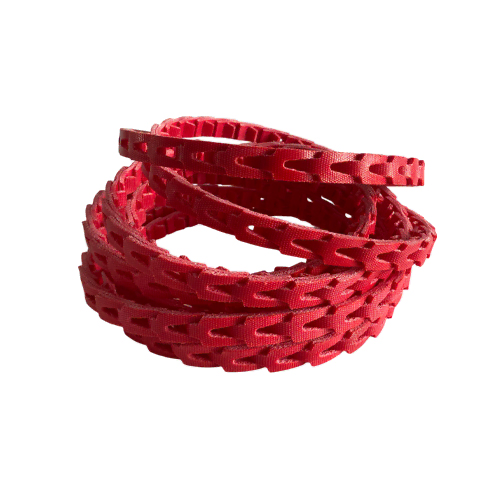
TRANDVOX provides V belt solutions for industrial power transmission, conveyor drive systems, and machinery applications. Our product range includes PU V belts, Poly V belts, and Link V belts, offering different belt constructions for matching pulley systems and operating requirements.
Designed for logistics conveyor drives, packaging equipment, woodworking machinery, air compressors, agricultural machinery, and other industrial applications, our V belts provide reliable power and torque transmission with stable running performance.
V-Belt Types
V belts are used in industrial drive systems to transmit power and torque between rotating components through frictional engagement with matching pulley grooves. Different belt profiles and constructions provide different levels of traction, flexibility, wear resistance, load capacity, and installation convenience.
The appropriate V belt type should be selected according to the pulley system, required power and torque transmission, operating speed, load, installation conditions, and equipment requirements.
| Type | Construction | Key Characteristics | Typical Applications |
|---|---|---|---|
| PU V Belt | Polyurethane V-shaped construction | Wear resistant, flexible, oil resistant | Machinery drives, packaging equipment, conveyor drive systems |
| Poly V Belt | Multiple longitudinal ribs | Compact, flexible, smooth high-speed transmission | Conveyor rollers, machinery, compact drives |
| Link V Belt | Individual interconnected links | Adjustable length, easy installation and replacement | Maintenance, machinery drives, replacement applications |
V-Belt Advantages
V belts transfer power efficiently between drive and driven pulleys, providing stable torque transmission across a wide range of industrial machinery.
PU V belts, Poly V belts, and Link V belts provide different profile and construction options for matching pulley arrangements, installation requirements, and industrial drive systems.
Durable belt materials and convenient installation options help simplify replacement and maintenance, reducing unnecessary equipment downtime.

Compared with more complex mechanical transmission systems, V belts offer a practical and economical solution for reliable industrial power transmission.
Why Choose TRANDVOX as Your V-Belt Supplier?
TRANDVOX provides PU V belts, Poly V belts, and Link V belts for industrial drive, conveyor drive, and replacement applications. We support customers with belt selection, specification matching, and customized sizes or configurations according to actual equipment requirements. For replacement projects, existing belt and pulley information can also be evaluated to improve specification matching accuracy and simplify the sourcing process.
V Belt Applications
V belts provide reliable power and torque transmission for glass processing and handling equipment, supporting the drive systems used in cutting, edging, grinding, and conveying machinery under demanding production conditions.
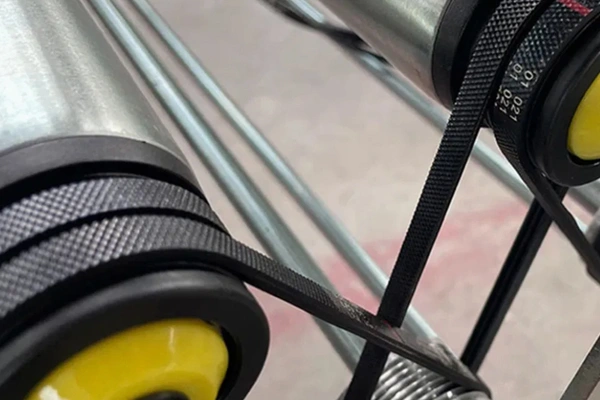
Poly V belts provide efficient power transmission for logistics conveyor rollers, supporting package conveying, accumulation, and sorting with low noise, smooth running, and reliable performance during continuous operation.
V belts are widely used in agricultural machinery, delivering stable power transmission for tractors, harvesters, tillers, and other equipment operating under dust, vibration, and variable load conditions.
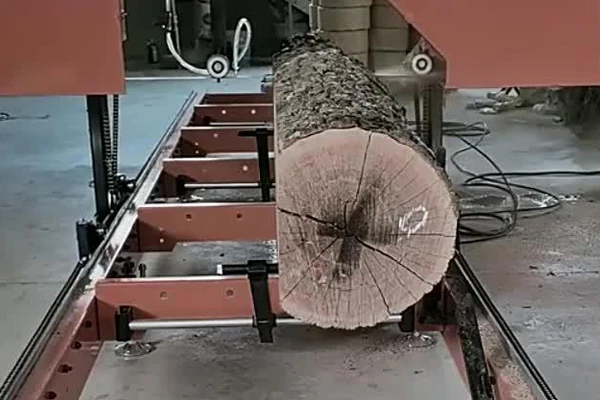
V belts provide reliable power transmission for woodworking machines, supporting saws, drills, sanders, and other equipment with stable operation under varying loads and continuous working conditions.
V belts are widely used in air compressors to transfer power efficiently from the motor to the compressor, providing stable torque transmission and reliable performance during continuous operation.
V belts provide reliable power transmission for semi-automatic strapping machines, supporting stable machine drive during package feeding and strapping cycles. Suitable belt and pulley matching helps maintain consistent operation under repeated start-stop conditions.

How to Select the Right V Belt
Selecting the right V belt depends on the existing drive system, pulley configuration, operating conditions, and installation requirements. For replacement or new equipment applications, consider the following information:
- Belt Type — PU V Belt, Poly V Belt, or Link V Belt
- Belt Profile & Dimensions — Belt profile, width, thickness, and required length
- Pulley Configuration — Pulley profile, diameter, groove design, and center distance
- Operating Conditions — Speed, load, torque requirements, temperature, oil exposure, and working environment
- Installation Requirements — Available installation space and whether easy on-site length adjustment is required
For replacement applications, existing belt or machine information can help improve matching accuracy.
V-Belt FAQs
PU V belts use polyurethane construction and are selected for applications requiring good wear resistance and flexibility. Poly V belts feature multiple longitudinal ribs for compact and efficient power transmission. Link V belts consist of individual interconnected links, allowing the belt length to be adjusted during installation.
Check the existing belt type, profile, dimensions, length, pulley configuration, and any markings on the belt. Providing the existing belt marking, machine information, dimensions, photos, or a sample can help determine a suitable replacement.
Available dimensions and customization options depend on the V belt type and construction. PU V belts, Poly V belts, and Link V belts have different manufacturing and sizing methods, so the required profile, dimensions, length, and application should be confirmed before ordering.
Yes. Poly V belts are commonly used to transmit power between driven rollers in conveyor systems, including logistics conveying, accumulation, and sorting applications.
V belts use frictional engagement with matching pulleys to transmit power and torque, making them suitable for applications where smooth operation, flexibility, and practical drive design are important.
Timing belts use toothed engagement with matching pulleys to provide synchronous transmission without relative slip, making them suitable for applications requiring fixed speed ratios, synchronized motion, or precise positioning.


