







Round Belt Supplier
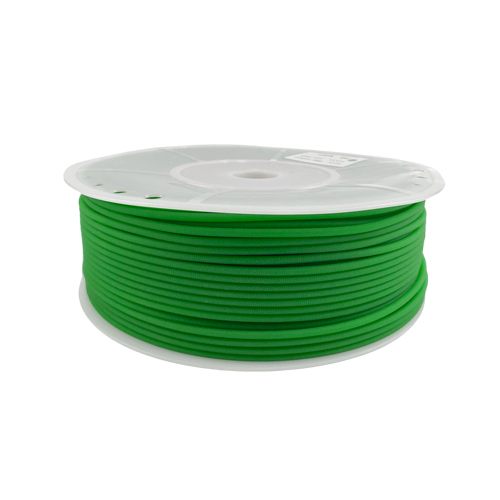
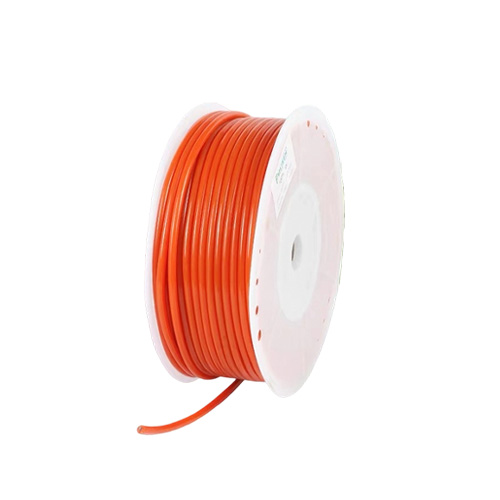
TRANDVOX supplies round belts for roller drive, light conveying, and industrial motion-transfer applications. Featuring a circular cross-section and flexible profile, round belts can operate around compatible pulleys, rollers, and grooved drive components in compact or flexible routing layouts.
Available in different constructions and configurations, our round belt range supports industrial machinery, roller conveyor systems, and machine-specific drive applications. We support OEMs, distributors, and industrial buyers with belt selection and specification matching according to equipment requirements and operating conditions.
Round Belt Types
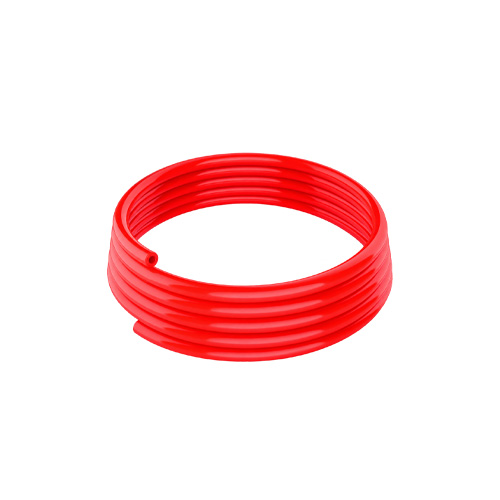
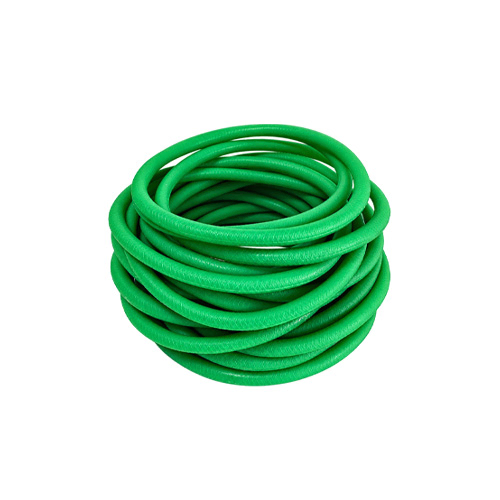
Round belts are available in different constructions for roller drive, light conveying, installation, and machine-specific operating requirements. TRANDVOX supplies PU round belts, hollow round belts, reinforced round belts, and O-ring drive belts, allowing the belt type to be selected according to the machine configuration and operating conditions.
Each round belt type has a different functional focus, from general-purpose polyurethane belting to connector-joined hollow belts, internally reinforced constructions, and finished endless O-ring drive belts.
Round Belt Features
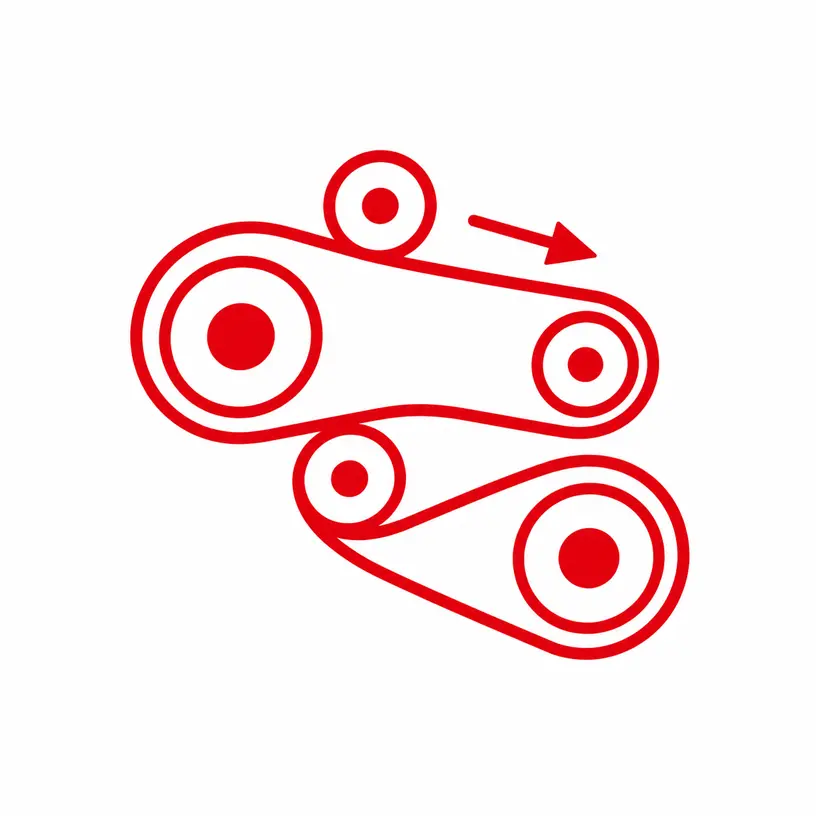
The circular profile allows round belts to follow flexible routing paths around compatible pulleys and rollers, making them suitable for machinery with compact or changing conveying layouts.
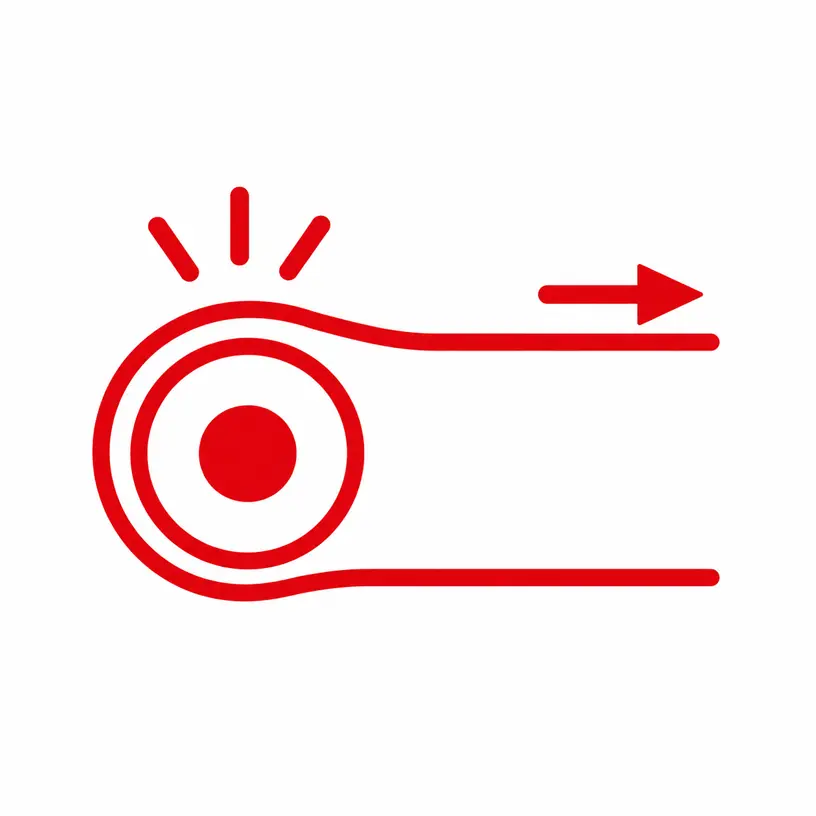
Round belts provide stable contact with compatible pulleys, rollers, and grooved drive components to transfer motion and support reliable roller drive and light conveying applications.

Their flexible profile supports smooth movement around rollers, pulleys and grooved components, helping reduce vibration and maintain stable operation during continuous use.

Round belts can be supplied in suitable open-length or endless configurations, allowing convenient installation, replacement and maintenance for different conveying and drive systems.
Why Choose TRANDVOX for Your Round Belt Needs?
TRANDVOX is a reliable round belt supplier supporting industrial customers, OEMs, distributors and B2B buyers with round belt sourcing and specification coordination. We work with qualified suppliers to match suitable belt solutions to equipment requirements, purchasing specifications and application conditions, while coordinating specification confirmation and quality verification before supply.
By integrating sourcing, specification coordination and supplier communication, TRANDVOX helps customers simplify procurement and efficiently source suitable round belts for their applications.
Round Belt Applications
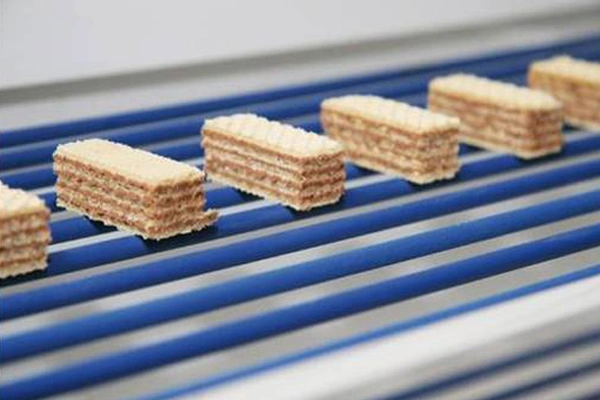
Round belts can be used in food processing and packaging equipment for light conveying, feeding, and localized product transfer where compact belt routing is required. Belt selection should follow the equipment design and applicable food-contact requirements.
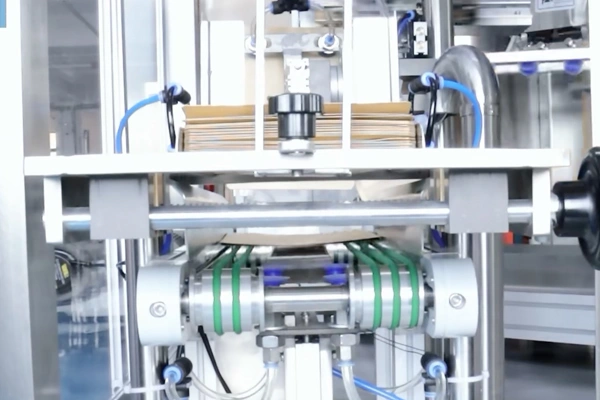
Round belts are used in selected packaging equipment for roller drive, light product transfer, and machine movement where flexible routing around compact pulley or roller arrangements is required. Their circular profile makes them suitable for machine sections with space-limited or changing belt paths.
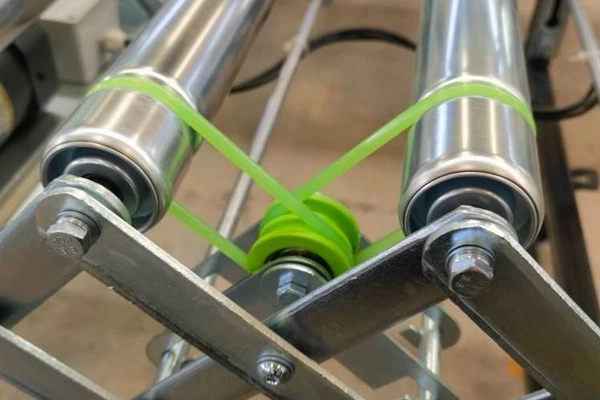
Round belts can be used in logistics and parcel-handling equipment for roller driving, localized package transfer, and sorting operations. Their flexible profile is suitable for conveyor sections requiring compact routing around rollers and pulleys.
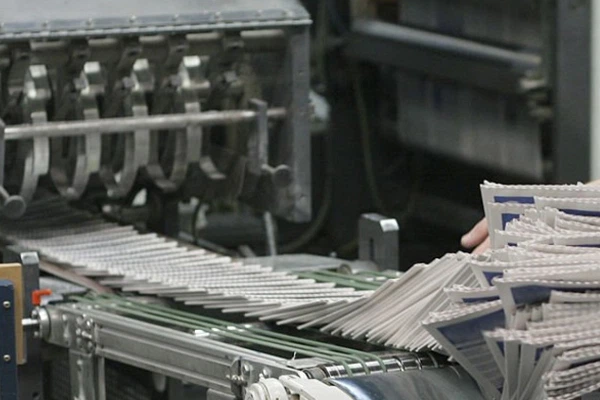
Round belts can be used in printing and paper-handling equipment for sheet feeding, light transfer, and machine movement where flexible belt routing is required. Their circular profile is suitable for compact machine layouts and continuous operation.
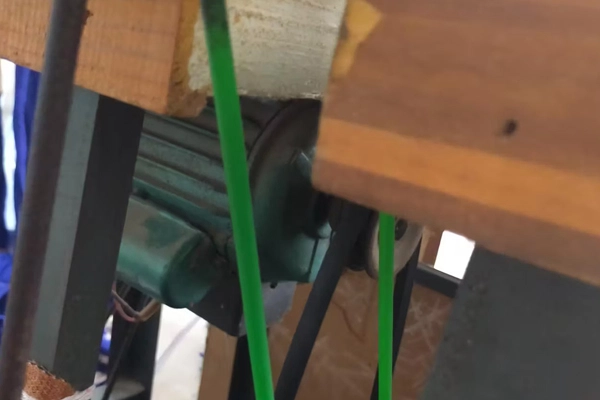
Round belts are used in selected garment and sock-making machinery for light drive and machine movement. Their flexible circular profile can suit compact pulley arrangements and continuous machine operation.
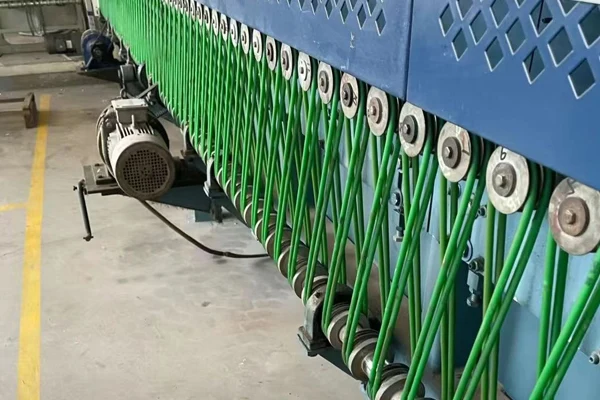
Round belts can be used in selected glass handling and transfer equipment for roller drive and localized product movement. Their flexible circular profile can accommodate compact roller and pulley arrangements according to the equipment layout and operating conditions.

Round Belt Joining Options
Round belt joining depends on the belt construction. Solid thermoplastic PU round belts can be heat-welded where suitable, while hollow round belts can use compatible mechanical connectors. Reinforced constructions may require specific joining procedures according to the internal tension member.
Select the appropriate belt construction and joining method according to the machine and installation requirements.
Round Belt Installation and Maintenance
Round belts should be installed with compatible pulleys, rollers or grooved drive components and aligned with the equipment layout. Proper belt tension and groove compatibility help maintain stable motion transfer and reduce unnecessary wear during operation.
Regular inspection should focus on belt condition, tension, alignment, surface wear and joining areas. Keeping the belt and contacting components clean and checking for signs of wear or damage can help maintain reliable operation and identify when replacement is required.
Round Belt Selection Guide
Selecting the right round belt starts with identifying the belt construction that best matches the application and installation requirements. Different round belt types are designed for different operating and maintenance needs.
| What You Need | Recommended Belt Type | Key Selection Consideration |
|---|---|---|
| General-purpose polyurethane round belting for conveying or drive applications | PU Round Belt | Belt diameter, hardness, surface, pulley configuration and operating conditions |
| Convenient on-machine joining or replacement with a mechanical connector | Hollow Round Belt | O.D. × I.D., connector size, hardness and joining method |
| Improved control of belt elongation and dimensional stability under tension | Reinforced Round Belt | Belt diameter, reinforcement type, hardness, center distance and operating tension |
| A finished closed-loop belt for roller conveyor or light-duty drive applications | O-Ring Drive Belt | Cross-section diameter, finished circumference, endless construction and pulley arrangement |
Additional Selection Factors
After selecting the appropriate round belt type, confirm the machine-specific requirements before ordering:
- Pulley or Roller Configuration– Check groove dimensions, pulley diameter, roller arrangement and center distance.
- Load and Speed– Consider conveying load, operating speed and required belt tension.
- Operating Environment– Consider temperature, moisture, oils, cleaning conditions and other environmental factors.
- Installation Requirements– Confirm whether the application requires open-length belting, on-machine joining or a finished endless belt.
- Existing Belt Information– For replacement applications, provide the original belt dimensions, markings, photos or a sample where available.
The final belt specification should be selected according to the actual machine configuration and operating requirements.
Round Belt FAQs
A round belt is a circular-section belt used for roller driving, light conveying, and motion transmission. Its flexible profile allows it to operate around compatible pulleys, rollers, and grooved drive components.
TRANDVOX supplies PU round belts, hollow round belts, reinforced round belts and O-ring drive belts for different conveying, drive, installation and replacement requirements.
Yes. Suitable solid PU round belts can be heat-welded to form endless belts, while seamless O-ring configurations are also available for selected applications. The appropriate configuration should be selected according to the equipment and operating requirements.
Consider the belt material, diameter, surface, configuration, belt speed, tension, load and operating environment. Pulley or roller groove dimensions and joining requirements should also be considered.
Yes. Suitable PU round belts can be used in food-processing applications when the belt material and construction meet applicable food-contact requirements.


