Positive Drive Belt
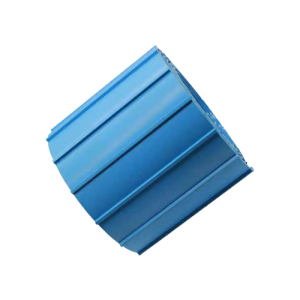
– Positive drive belts use mechanical sprocket engagement to provide controlled, slip-resistant conveying for food processing, packaging, material handling, and other industrial applications.
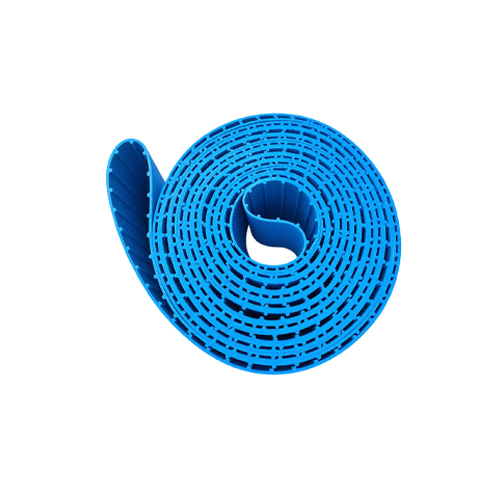
– The PT25, PT50, and PAT40 constructions feature a homogeneous TPU belt body with integrated drive teeth and aramid fiber reinforcement.
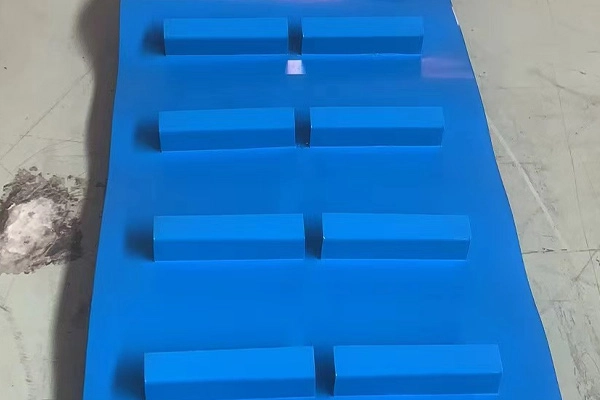
– Custom widths, lengths, cleats, sidewalls, profiles, and joining options are available.
Positive Drive Belt Construction
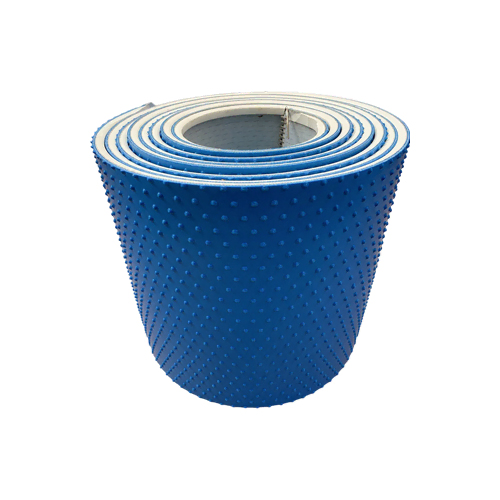
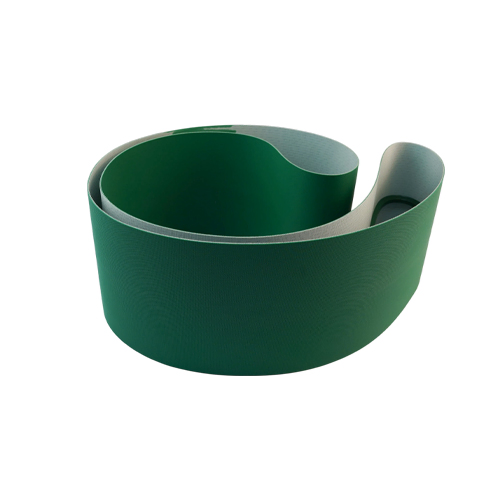
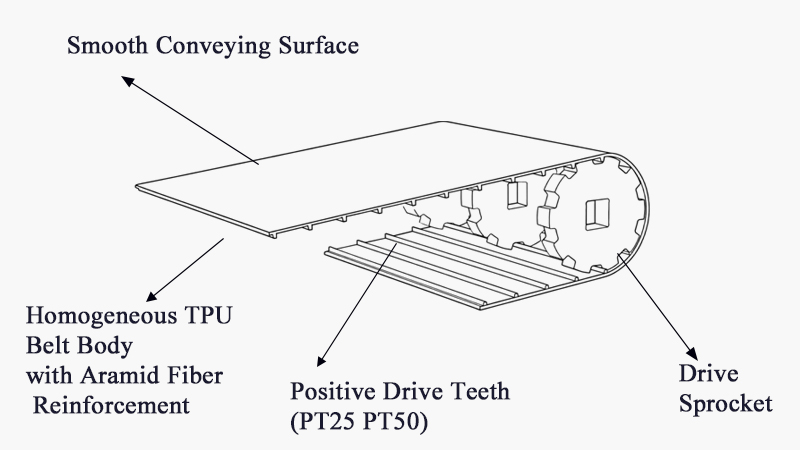
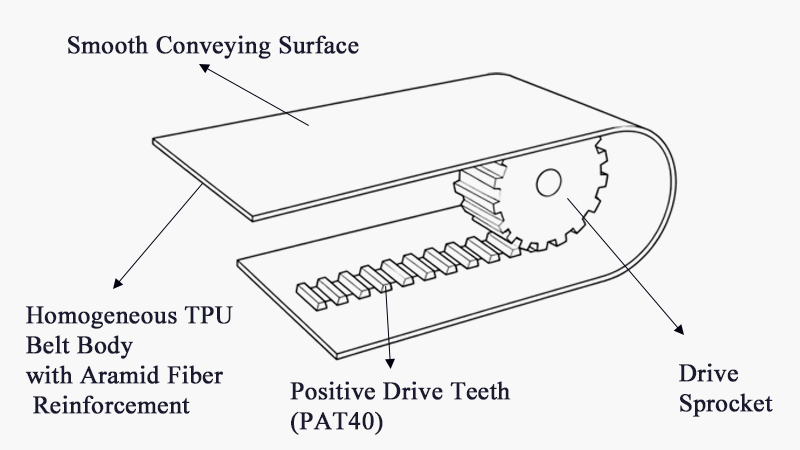
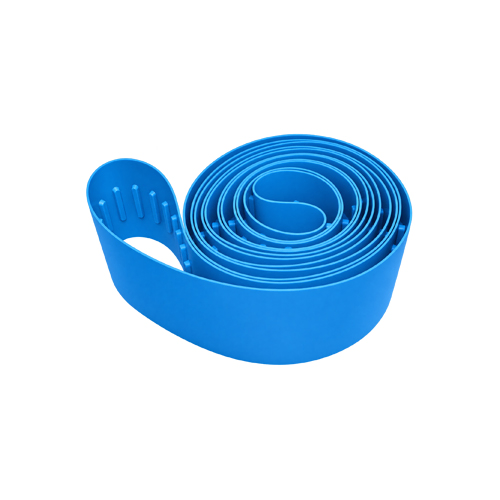
The positive drive conveyor belt features a homogeneous TPU belt body, with a smooth conveying surface on the top and an integrated drive profile on the bottom. Unlike conventional fabric-reinforced conveyor belts, the main belt body does not rely on a traditional textile carcass.
The integrated drive profile engages with matching sprockets, transferring driving force through mechanical engagement and helping reduce belt slippage during conveying.
Smooth Conveying Surface
The top surface provides a continuous conveying surface for transporting products and can be further configured with cleats or other application-specific profiles.
Smooth surfaces are particularly suitable for food processing, packaging, and hygienic conveying applications where easy cleaning and consistent product contact are important.
Homogeneous Belt Body
This continuous thermoplastic construction is commonly described as homogeneous or monolithic belting.
This homogeneous construction can provide:
- Smooth, continuous belt surfaces
- No exposed conventional fabric layers
- Reduced risk of edge fraying
- Good resistance to moisture
- Easy cleaning and maintenance
- Suitable options for hygienic conveying applications
Belt hardness, thickness, dimensions, and other specifications can be selected according to the conveyor design, load, and operating conditions.
Integrated Positive Drive Teeth
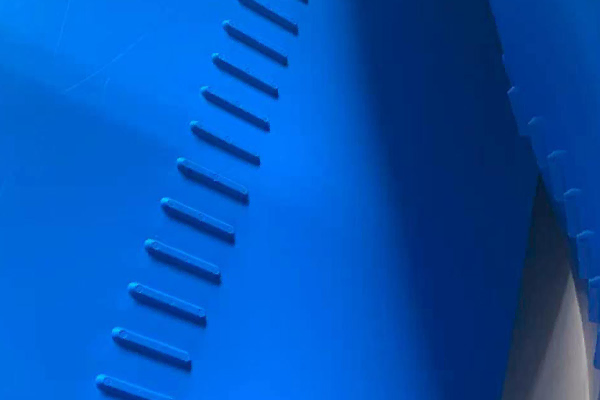
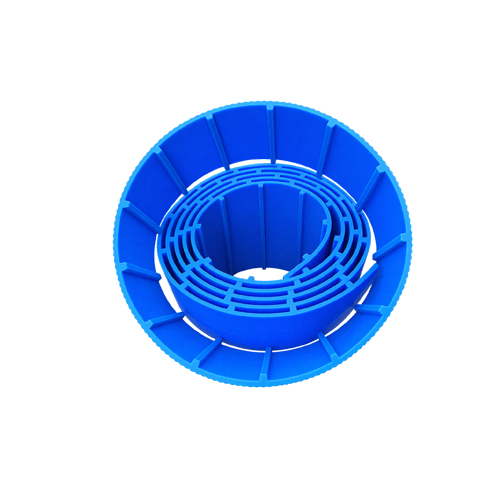
The underside of the belt incorporates molded drive teeth that engage with matching sprockets.
Unlike friction-driven conveyor belts, the teeth provide direct mechanical engagement between the belt and drive system, helping maintain controlled belt movement and reduce the risk of slipping.
Depending on the belt series, different tooth profiles and pitches are available, including:
- PT25— T profile, 25 mm pitch
- PT50— T profile, 50 mm pitch
- PAT40— AT profile, 40 mm pitch
The sprocket profile and pitch must correspond to the selected belt to ensure proper engagement and reliable operation.
Reinforcement
The PT25, PT50, and PAT40 constructions incorporate aramid fiber reinforcement within the belt structure.
The reinforcement improves dimensional stability and helps control belt elongation, particularly on longer conveyors or applications requiring consistent belt tracking.
Drive Sprocket
Matching sprockets are mounted on the conveyor shaft to engage with the belt’s drive profile.
The sprocket transfers torque to the belt through mechanical engagement. The sprocket profile and pitch must match the selected belt to ensure proper engagement, torque transfer, and smooth operation.
Positive Drive Belt Data Sheet
| Specification | PT25 | PT50 | PAT40 |
|---|---|---|---|
| Material | TPU | TPU | TPU |
| Color | Light Blue / Dark Blue | Light Blue / Dark Blue | Light Blue / Dark Blue |
| Surface Structure | Smooth | Smooth | Smooth |
| Bottom Structure | T Profile Teeth | T Profile Teeth | AT Profile Teeth |
| Pitch (mm) | 25 | 50 | 40 |
| Reinforced Cords | Aramid Fiber | Aramid Fiber | Aramid Fiber |
| Drive Configuration | Full-Width Drive | Full-Width Drive | Center Drive |
| Hardness (Shore A) | 95 | 95 | 95 |
| Total Thickness (mm) | 6 | 7 | 10 |
| Teeth Height (mm) | 3.5 | 4 | 6.4 |
| 1% Tensile Strength (N/mm) | 20 | 20 | 20 |
| Minimum Pulley Diameter (mm) | 46 | 93 | 120 |
| Working Temperature (°C) | -20 to 90 | -20 to 90 | -20 to 90 |
Positive Drive Conveyor Belt Customization Options
Positive drive belts can be customized according to product-handling requirements, conveyor layout, and operating conditions. Available options include cleats, sidewalls, custom profiles, belt dimensions, and joining configurations.
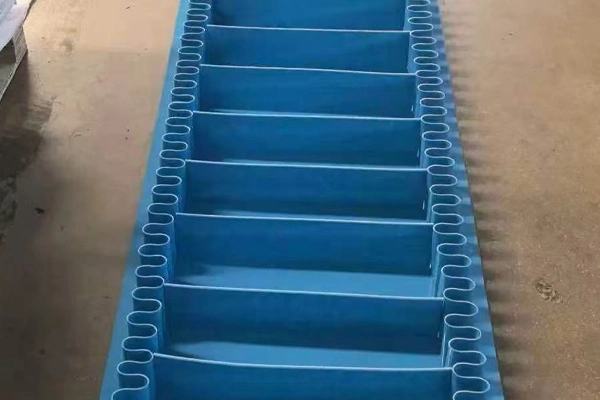
Cleats can be added for product positioning, separation, and inclined conveying, while sidewalls can help contain loose products and reduce lateral product movement. For suitable applications, cleats and sidewalls can also be combined.
The final configuration should be selected according to belt dimensions, drive profile, sprocket position, conveyor geometry, and conveyed product. Cleats, sidewalls, and other conveyor belt fabrication options should be matched to the positive drive system to ensure proper operation.
Conveying Configurations
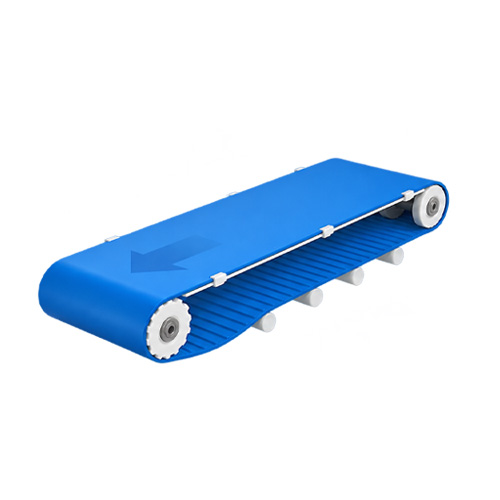
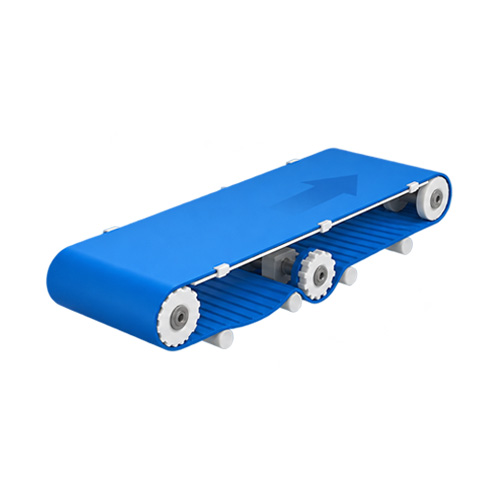
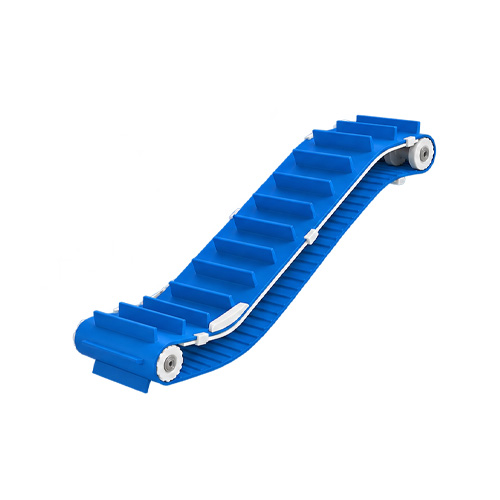
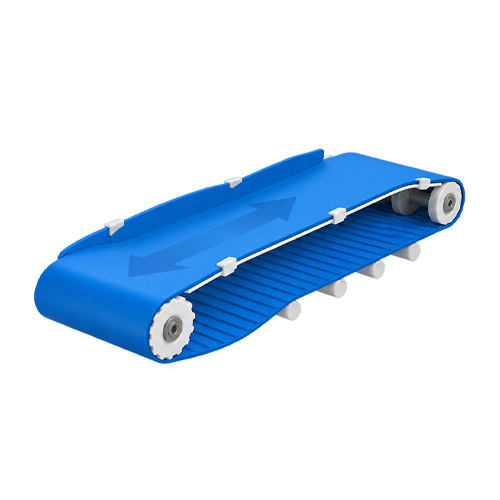
Positive drive belts can be configured for different conveyor layouts and conveying directions, depending on the product, conveyor design, and handling requirements. Common configurations include horizontal, reversible, incline, and troughed conveying, with cleats or sidewalls available for applications requiring additional product support or containment.
Get Free Quote of Positive Drive Belt
Looking for a reliable positive drive belt supplier for food processing, packaging, logistics, material handling, or general industrial conveying?
TRANDVOX supplies PT25, PT50, and PAT40 Positive Drive Belts with homogeneous TPU construction, aramid fiber reinforcement, and application-specific fabrication options.
As a Positive Drive Belt supplier, TRANDVOX coordinates product sourcing, specification confirmation, fabrication requirements, and quality checks with qualified belt suppliers. This helps customers obtain Positive Drive Belts that match their approved technical and purchasing requirements.
Whether you need smooth Positive Drive Belts for general conveying, homogeneous belts for hygienic applications, or belts with cleats, sidewalls, or custom profiles, TRANDVOX supports the sourcing process from specification review to final supply.
Contact TRANDVOX for a positive drive belt quote and discuss your application, belt specifications, sprocket requirements, and B2B sourcing requirements with our industrial belt team.
Positive Drive Belt Applications
Positive drive belts are widely used in B2B conveyor systems for food processing, packaging, logistics, material handling, manufacturing, and other industrial conveying applications. These belts can be integrated into different positive-drive conveyor systems according to conveyor layout, product characteristics, load, and operating conditions.
Meat and Poultry Processing
Positive drive belts are suitable for applications involving frequent cleaning, moisture, and demanding conveying conditions. Homogeneous belt constructions can provide a continuous conveying surface for hygienic processing environments.
Seafood Processing
Positive drive conveyor belts can be used in seafood conveying applications where water exposure, cleaning requirements, and stable belt engagement are important considerations.
Packaging
Positive drive belts can be used in packaging lines for transporting cartons, bags, packaged products, containers, and other products between filling, sealing, inspection, labeling, sorting, and packing processes.
Logistics and Material Handling
Positive drive belts support package transfer, sorting, product handling, and continuous conveying applications where stable belt movement and reduced slippage are required.
Incline Conveying
Positive drive belts with cleats and sidewalls can be used for inclined and elevating conveyors where products need additional support and controlled movement.
Manufacturing and Assembly
Positive drive belts can be integrated into production and assembly lines for product transfer, inspection, positioning, and intermediate conveying.
General Industrial Conveying
Positive drive belts are suitable for industrial conveyor applications requiring reliable positive engagement, controlled belt movement, practical durability, and application-specific fabrication.
Positive Drive Belt Detail Display
Positive Drive Belt vs Conventional Conveyor Belt
Positive drive belts and conventional friction-drive conveyor belts use different drive principles.
Positive drive belts use mechanical engagement between the belt and sprocket, helping reduce belt slippage and maintain stable belt movement. Conventional conveyor belts generally rely on friction between the belt and drive pulley.
When selecting a positive drive belt, consider the sprocket design, drive pitch, belt width, belt thickness, conveying load, belt speed, conveyor layout, and operating environment.
For applications requiring reliable drive engagement, wet-environment conveying, frequent washdown, or controlled belt movement, positive drive belts may provide advantages over conventional friction-drive configurations.
Positive Drive Belt vs. Modular Conveyor Belt
Positive drive belts are also used as an alternative to modular plastic belts in applications where a more hygienic closed belt construction is desirable.
A homogeneous positive drive belt can be an alternative to modular plastic belts where a continuous belt surface, easy cleaning, and positive sprocket engagement are required. This construction can reduce seams, openings, and potential contamination points compared with modular belt designs.
The correct choice still depends on conveyor geometry, sprocket design, product load, belt width, cleaning process, operating temperature, and required conveying profile.
Positive Drive Belt Selection Guide
Selecting the correct positive drive belt requires more than choosing the belt width. The belt must be compatible with the conveyor drive system, operating conditions, and conveyed product.
1. Confirm the Sprocket and Drive Profile
Check the existing sprocket type, tooth count, pitch, or manufacturer reference whenever possible. The belt profile and pitch must match the sprocket for proper engagement.
2. Select the Belt Profile
Choose the appropriate PT25, PT50, or PAT40 profile according to the conveyor design and drive configuration.
3. Check Belt Width and Length
The belt width and required belt length should match the conveyor frame, product-loading area, and required conveying capacity.
4. Consider Conveyor Load and Speed
Belt thickness and reinforcement should be selected according to conveying load, belt speed, conveyor length, and operating conditions.
5. Consider the Operating Environment
Temperature, water, cleaning chemicals, oil, grease, abrasion, and product characteristics should be considered when selecting the belt specification.
6. Confirm Fabrication Requirements
Smooth surfaces, cleats, sidewalls, and custom profiles can be selected according to product handling requirements and conveyor geometry.
7. Check Conveyor Geometry
Incline, horizontal conveying, center-drive configurations, small-diameter transfers, and other conveyor layouts may require different belt profiles, dimensions, or fabrication configurations.
FAQ
A positive drive belt is a conveyor belt that uses mechanical engagement between its drive profile and a conveyor sprocket to transfer driving force. This reduces reliance on friction and helps minimize belt slippage.
Yes. A positive drive belt normally has teeth, lugs, or another positive-drive profile on the underside that engages with a matching conveyor sprocket.
Positive drive belts are commonly used in food processing, meat and poultry processing, seafood, packaging, logistics, material handling, inclined conveying, manufacturing, and other industrial conveyor applications.
The PT25, PT50, and PAT40 positive drive belts featured on this page are made from TPU with aramid fiber reinforcement.
Yes. Positive drive belts can be customized in width, thickness, drive configuration, cleats, sidewalls, profiles, joining configuration, and other application-specific requirements.
Certain positive drive belts can be supplied for food-processing applications when the belt construction and material meet the applicable requirements. Food-contact suitability should be confirmed for the specific belt specification and intended operating environment.
Yes. Positive drive belts can be selected for many wet and washdown applications. The belt material and construction should be chosen according to water exposure, cleaning chemicals, temperature, and other operating conditions.
A positive drive belt is primarily designed for conveyor applications and uses conveyor sprockets for positive belt drive. A timing belt is designed for synchronous power transmission and works with timing pulleys.
Smooth surfaces are suitable for general conveying and hygienic applications, while cleats and sidewalls can be added for product positioning, incline conveying, and material containment.
Selection should consider belt width, thickness, drive pitch, sprocket configuration, conveying load, conveyor speed, pulley and sprocket dimensions, surface requirements, product characteristics, temperature, cleaning method, and operating environment.