PTFE Mesh Conveyor Belt
– Open-mesh, non-stick PTFE mesh conveyor belts designed for airflow, heat transfer and moisture passage in drying, curing, heat treatment and textile processing applications
– Available with different mesh openings and reinforcement constructions according to product size, required airflow, conveying support and operating conditions
– Custom PTFE mesh conveyor belts are available with different dimensions, edge reinforcements, guiding systems and joint configurations to match specific conveyor equipment and processing requirements
PTFE Mesh Conveyor Belt Construction
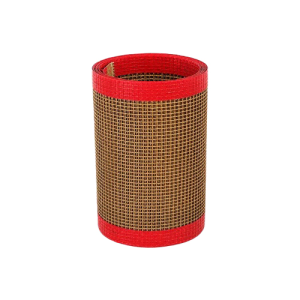
PTFE mesh conveyor belts are constructed from fiberglass mesh, fiberglass mesh with Kevlar reinforcement, or Kevlar mesh that is impregnated and coated with PTFE. The mesh provides the belt’s mechanical structure, while the PTFE coating forms a non-stick, low-friction and heat-resistant working surface.
As an open mesh conveyor belt, the PTFE mesh construction allows airflow and moisture to pass through the belt while promoting effective heat transfer, making it suitable for drying, curing, heat treatment and other continuous processing applications.
The belt construction can be selected according to conveyor width, mesh opening, operating temperature, pulley diameter, conveying load, belt speed, tracking requirements and application conditions.
Common PTFE mesh conveyor belt construction options include:
- Fiberglass Mesh– Provides tensile strength, dimensional stability and flexibility for general industrial applications.
- Fiberglass Mesh with Kevlar Reinforcement– Provides additional tensile strength and mechanical durability for wider belts or more demanding applications.
- Kevlar Mesh– Provides high tensile strength for applications requiring increased mechanical performance and resistance to mechanical stress.
PTFE Coating – The woven mesh is impregnated and coated with PTFE to provide a non-stick, low-friction, chemically resistant and heat-resistant surface.
- Standard PTFE– Suitable for general high-temperature conveying, drying and processing applications.
- Antistatic Construction– Available for applications where static control is required.
PTFE Mesh Conveyor Belt Mesh Opening
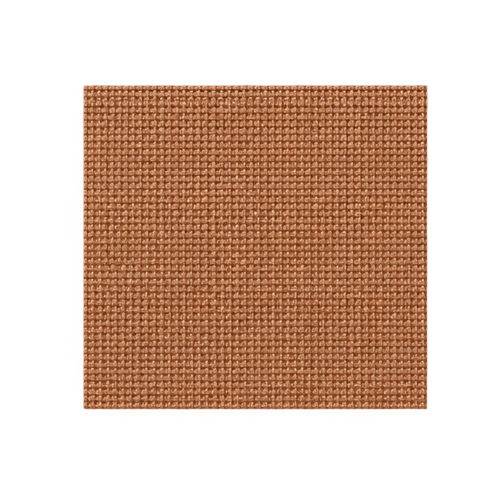
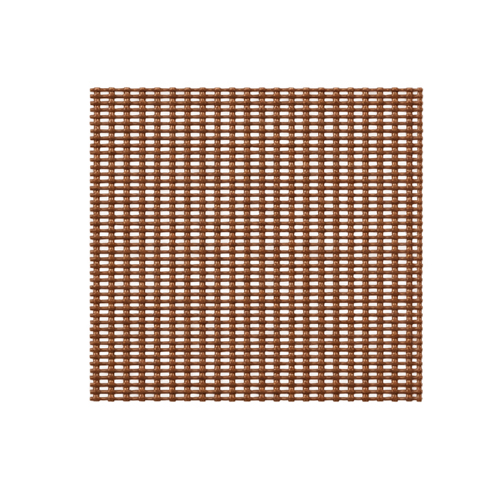
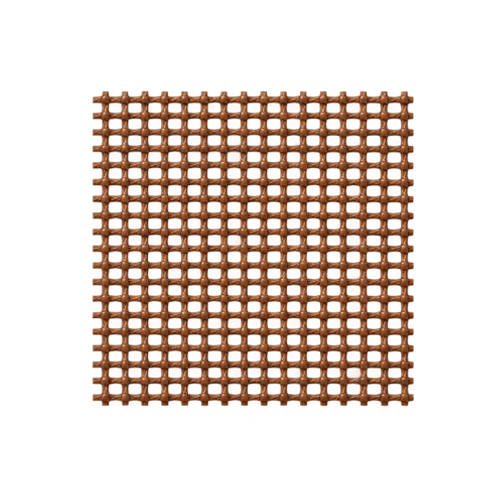
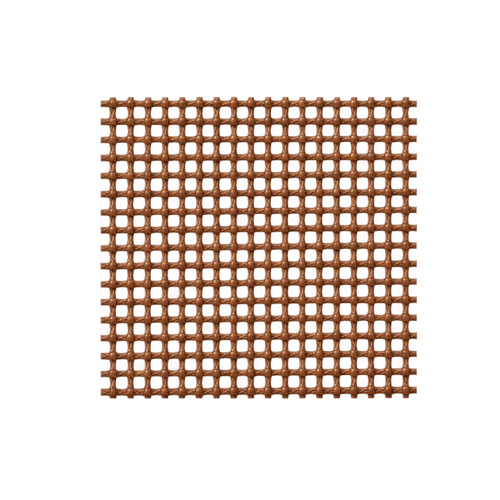
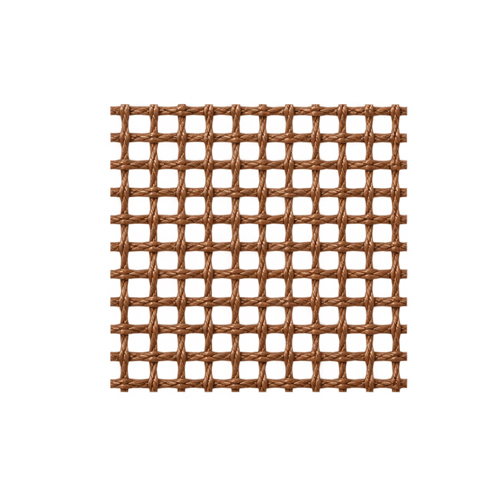
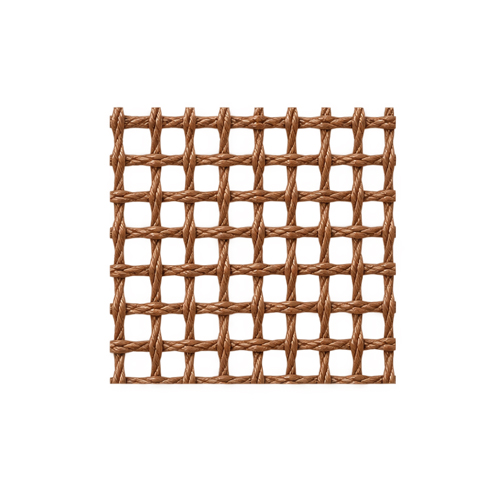
PTFE mesh conveyor belts are available with a range of mesh openings, including 0.5 × 1 mm, 1 × 1 mm, 2 × 2 mm, 2 × 2.5 mm, 4 × 4 mm, 6 × 6 mm, 8 × 8 mm and 10 × 10 mm. Different mesh openings can be selected according to product dimensions, required airflow, heat transfer, product support and specific processing requirements. Smaller mesh openings provide greater support for smaller products, while larger openings allow greater airflow and facilitate heat transfer during processing.
PTFE Mesh Conveyor Belt Edge Reinforcement
PTFE mesh conveyor belts can be supplied with reinforced edges to improve dimensional stability, reduce fraying and provide additional protection during continuous operation. Common edge reinforcement options include PTFE Film, PTFE-Coated Fiberglass Fabric and PTFE-Coated Kevlar Fabric. The appropriate edge construction can be selected according to belt width, operating conditions, mechanical stress and the required level of edge protection.
PTFE Mesh Conveyor Belt Guiding, Fastening & Joint Options
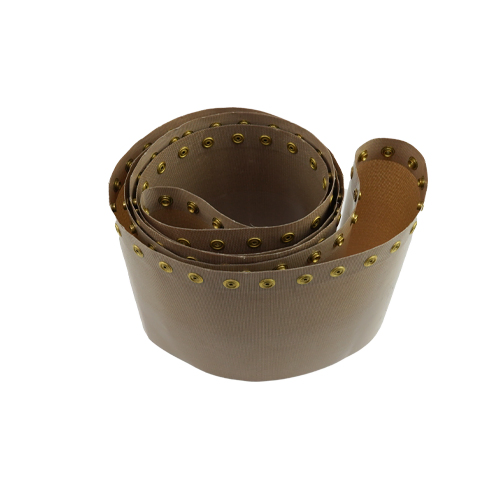
PTFE mesh conveyor belts can be configured with different guiding, fastening and joining options according to conveyor design and operating requirements. Available options include Guide Cord, Guide Pins, Grommets / Eyelets and Guide Snaps for suitable tracking, fastening or installation requirements, while joining options include Bullnose, PEEK Spiral, Alligator / Clipper, Overlap, Butt and other custom joints, with the appropriate configuration selected depending on belt construction and application requirements.
PTFE Mesh Conveyor Belt Specifications
PTFE mesh conveyor belts can be supplied in different specifications according to conveyor design, process temperature, product characteristics and operating requirements.
| Specification | Available Options |
|---|---|
| Base Material | Fiberglass Mesh / Fiberglass Mesh with Kevlar Reinforcement / Kevlar Mesh |
| PTFE Coating | Standard PTFE / Antistatic Construction |
| Mesh Opening | 0.5 × 1 / 1 × 1 / 2 × 2 / 2 × 2.5 / 4 × 4 / 6 × 6 / 8 × 8 / 10 × 10 mm |
| Belt Surface | PTFE Non-Stick Mesh |
| Weave Construction | Different Open-Mesh Weave Configurations |
| Belt Thickness | Customized according to construction |
| Belt Width | Customized |
| Belt Length | Customized |
| Edge Reinforcement | PTFE Film / PTFE-Coated Fiberglass Fabric / PTFE-Coated Kevlar Fabric |
| Guide System | Guide Cord / Guide Pins / Eyelets / Grommets / Guide Snaps |
| Belt Joining | PEEK Spiral / Bullnose / Alligator / Clipper / Overlap / Butt / Custom |
| Antistatic Option | Available for Selected Constructions |
| Color | Brown / Black / Other Available Options |
Actual belt specifications should be selected according to conveyor dimensions, pulley diameter, belt speed, operating temperature, conveying load, product size, airflow requirements and working environment.
Get Free Quote of PTFE Mesh Conveyor Belt
Looking for a PTFE mesh conveyor belt for drying, curing, heat treatment or textile processing? Send us your belt dimensions, required mesh opening, operating temperature, product information, edge construction and joint requirements for specification matching and quotation.
Custom PTFE Mesh Conveyor Belt Solutions
PTFE mesh conveyor belts can be customized in belt dimensions, mesh opening, reinforcement, edge construction, guiding system and joint configuration according to conveyor and processing requirements.
TRANDVOX supports specification matching and customization coordination based on belt dimensions, drawings, equipment information and operating conditions.
PTFE Mesh Conveyor Belt Applications
PTFE mesh conveyor belts are used across industrial processing systems where reliable conveying is required under elevated temperatures or where a non-stick belt surface is beneficial. Their flexible construction supports continuous product handling in different thermal processing and material-handling environments.
Drying Systems
PTFE mesh conveyor belts are widely used as drying conveyor belts in industrial drying equipment, allowing airflow and heat to pass through the open mesh during continuous processing.
Curing and Heat Treatment
PTFE mesh belts can be used in curing ovens and heat-treatment equipment for continuous processing of materials exposed to elevated temperatures. They support stable product movement through controlled heating and curing zones.
Food Processing
Suitable PTFE mesh conveyor belt constructions can be used for selected food-processing operations such as baking, cooking, drying and cooling. Belt selection should be based on the food-contact requirements, operating temperature and specific processing conditions.
Textile Processing
PTFE coated mesh belts are used in textile manufacturing for applications such as fabric drying, coating, heat-setting and other continuous thermal processing stages. Their open construction is suitable for processes requiring controlled handling of textile materials.
Printing and Coating
PTFE mesh conveyor belts can be integrated into printing and coating lines for transporting materials through drying and curing sections. The non-stick working surface can help reduce product adhesion during processing.
Chemical and Industrial Processing
PTFE mesh belts can be selected for certain chemical and industrial processing applications where resistance to elevated temperatures, chemical exposure and product adhesion is required. Belt construction should be matched to the specific process conditions.
Microwave and Specialized Drying
Selected PTFE mesh conveyor belt constructions can be used in microwave and specialized drying systems. For these applications, the belt material, reinforcement and joint configuration should be matched to the equipment design and operating conditions.
PTFE Mesh Conveyor Belt vs Solid PTFE Conveyor Belt
| Feature | PTFE Mesh Conveyor Belt | Solid PTFE Conveyor Belt |
|---|---|---|
| Construction | Open mesh | Solid / closed surface |
| Airflow | Excellent | Limited |
| Heat Transfer | Through-belt airflow supports thermal processing | Primarily surface contact |
| Product Support | Depends on mesh opening | Continuous support |
| Release Surface | Non-stick PTFE | Non-stick PTFE |
| Typical Processes | Drying, curing, heat treatment | Heat sealing, laminating, baking |
| Selection Focus | Mesh opening, airflow, product size | Surface contact, release, support |
Select a PTFE mesh conveyor belt when airflow and heat transfer are important, or a solid PTFE conveyor belt when continuous surface support and release performance are required. Final selection should also consider product size, operating temperature and conveyor conditions.
FAQ
A PTFE mesh conveyor belt is an open woven conveyor belt made from PTFE-coated fiberglass mesh, fiberglass mesh with Kevlar reinforcement, or PTFE-coated Kevlar mesh. Its open mesh construction allows air and heat to pass through the belt during continuous conveying, drying and curing processes.
A Teflon mesh conveyor belt is a commonly used term for a PTFE-coated open mesh conveyor belt. Teflon is a trademark associated with PTFE, while PTFE is the generic material designation.
PTFE mesh conveyor belts are commonly used for drying, curing, heat treatment, textile processing, food processing, printing, coating and other industrial applications requiring heat resistance, non-stick performance and air permeability.
Common mesh openings include 0.5 × 1 mm, 1 × 1 mm, 2 × 2 mm, 2 × 2.5 mm, 4 × 4 mm, 6 × 6 mm, 8 × 8 mm and 10 × 10 mm. Other mesh openings may also be available according to belt construction and application requirements.
4 × 4 mm is widely used for industrial applications because it provides a practical balance between airflow, product support and belt strength. However, the appropriate mesh opening depends on the actual application.
Yes. PTFE mesh conveyor belt edges can be reinforced with PTFE film, PTFE-coated fabric or Kevlar fabric to improve edge stability and reduce fraying during operation.
Depending on the belt construction and application, available joining options may include PEEK spiral joints, bullnose joints, clipper or alligator joints and other customized joining configurations.
Yes. Kevlar reinforcement or Kevlar mesh can be selected for applications requiring higher tensile strength, improved mechanical durability or additional resistance to mechanical stress.
PTFE mesh conveyor belts can be used in applications requiring high-temperature resistance, but the actual operating temperature depends on the PTFE material, reinforcement, belt construction, conveyor design and exposure conditions.
Certain PTFE mesh conveyor belt constructions can be supplied for food-processing applications. Food-contact suitability should always be confirmed for the specific belt material, construction and applicable requirements.