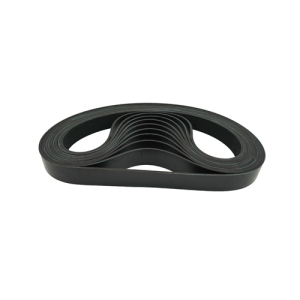
Poly V Belt
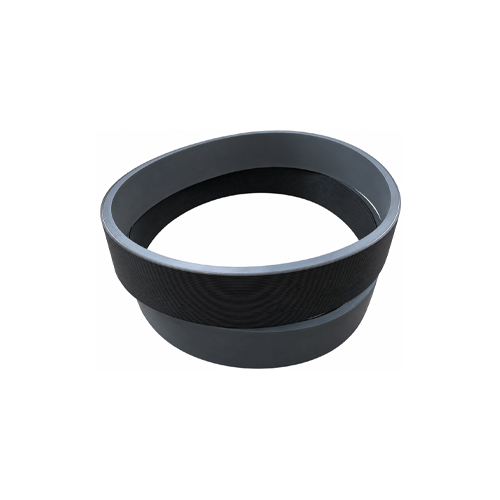
TRANDVOX supplies poly V belts for compact and high-speed industrial power transmission, combining multiple longitudinal V-shaped ribs with a flexible belt construction for efficient power transfer, smooth running, small-pulley compatibility and space-saving drive designs.
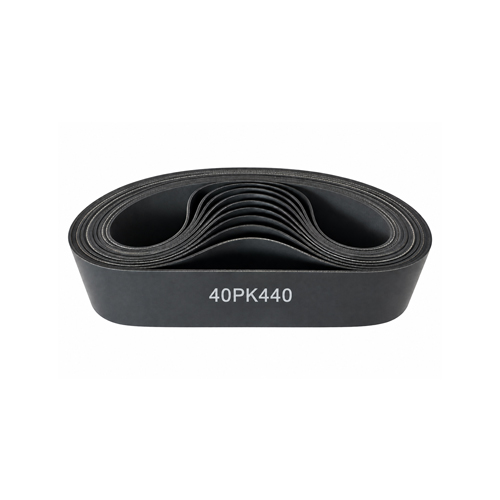
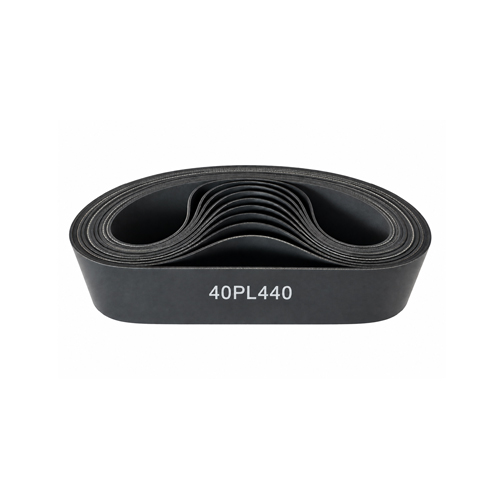
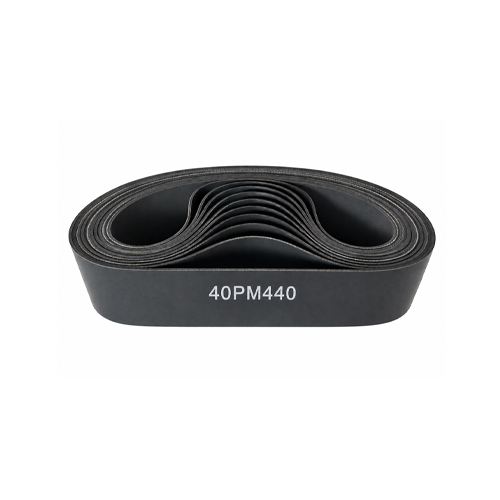
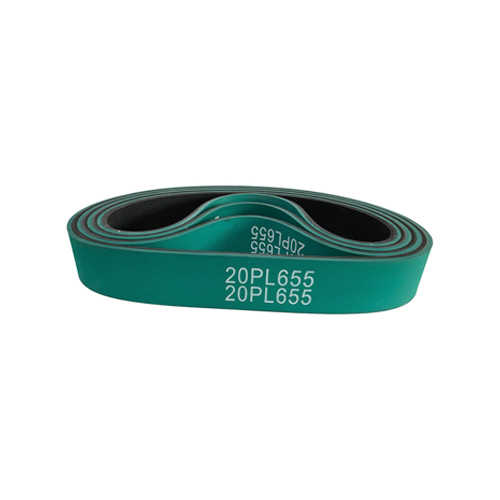
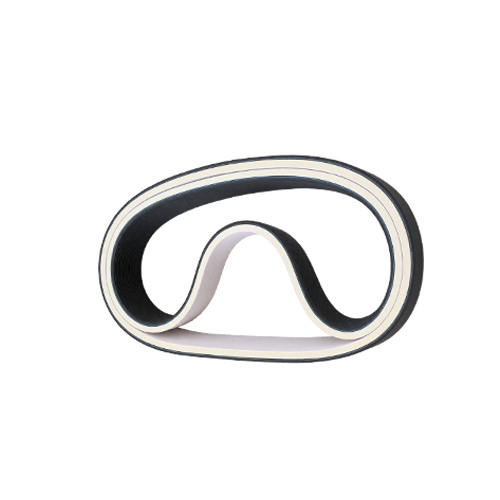
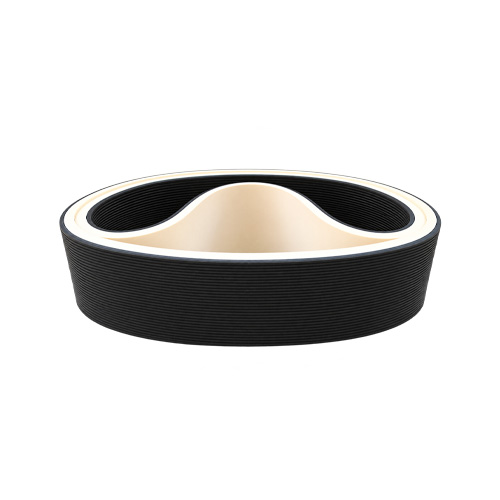
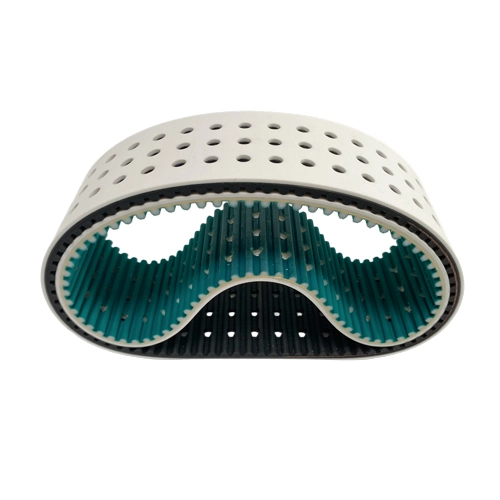
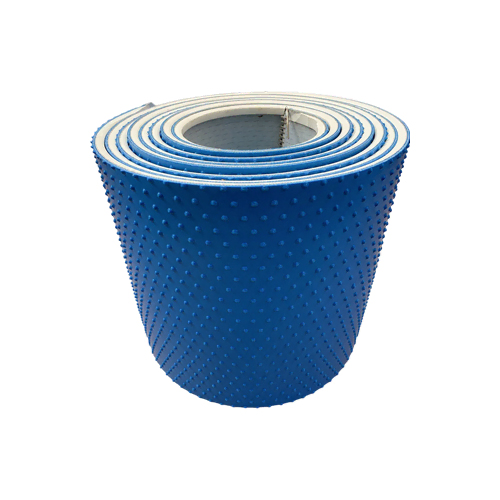
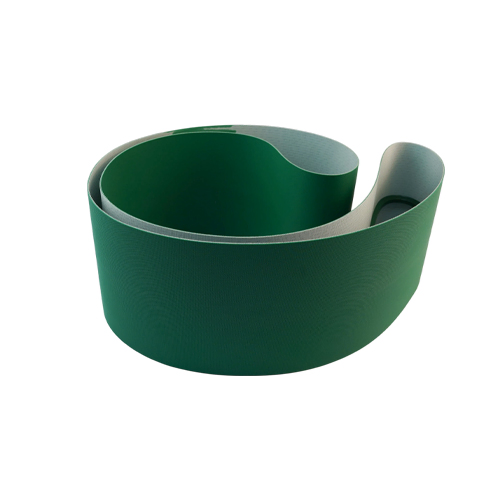
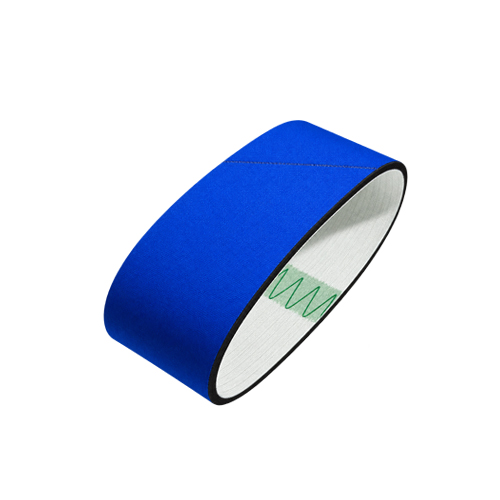
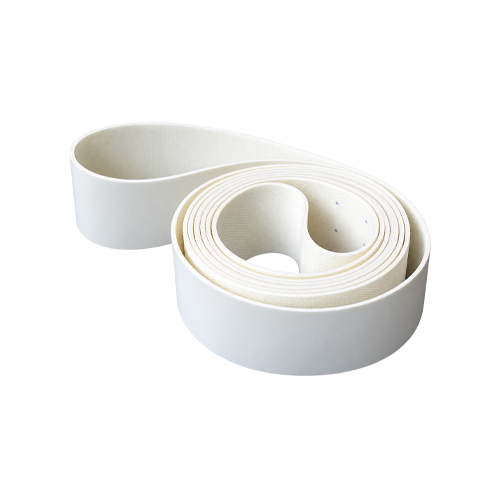
Available in standard PH, PJ, PK, PL and PM profiles, our Poly V belts can be supplied in different rib quantities and lengths, with optional rubber, silicone and sponge surface coverings for application-specific grip, cushioning and contact requirements.
Also known as Poly-V belts, poly ribbed belts or multi-rib belts, they are suitable for OEM equipment, industrial maintenance and replacement applications. TRANDVOX supports profile and size matching, pulley compatibility review, replacement identification and application-based belt selection according to belt markings, drawings, samples or equipment requirements.
Poly V Belt Construction
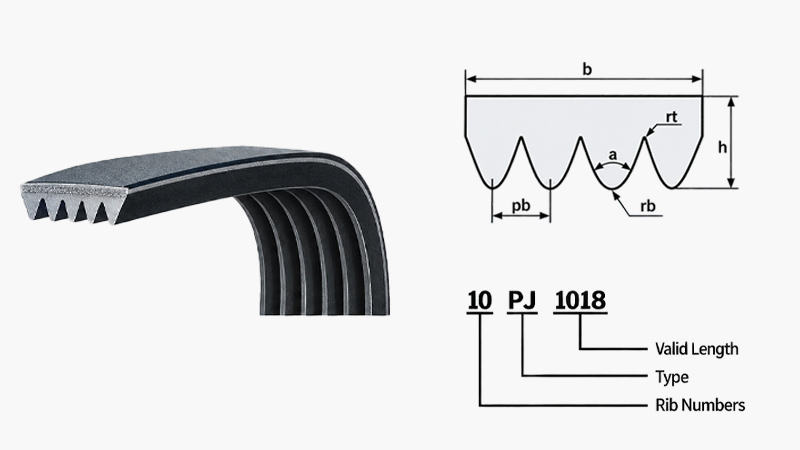
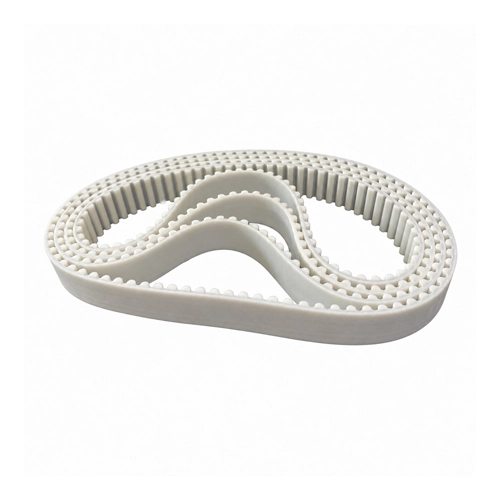
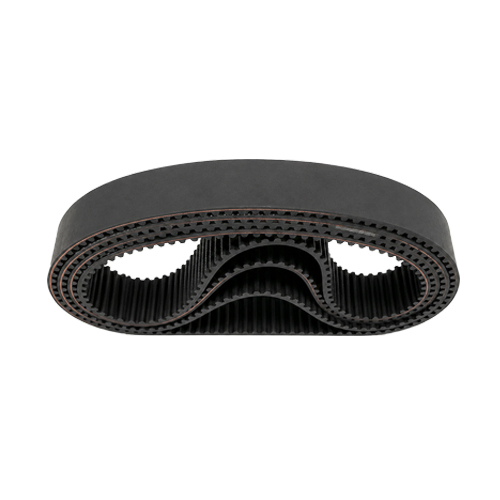
A Poly V belt uses a flexible multi-rib construction with multiple longitudinal V-shaped ribs on the pulley-contact side. This multi-rib belt design allows the ribs to engage corresponding grooves in the Poly V pulley, distributing the transmission load across multiple contact surfaces.
A typical belt construction includes:
- Ribbed Rubber Layer– Forms the longitudinal V-shaped ribs that engage the pulley grooves and provide the required friction for power transmission.
- Tensile Member– Helps carry the operating load and control belt elongation during continuous operation.
- Backing Layer– Provides flexibility and supports stable belt operation around the drive system.
| Profile | Rib Pitch (mm) | Rib Angle (°) | Thickness (mm) | Rib Numbers |
| PH | 1.6 | 40 | 2.5 | 2–325 |
| PJ | 2.34 | 40 | 3.8 | 2–325 |
| PK | 3.56 | 40 | 4.5 | 2–150 |
| PL | 4.7 | 40 | 7.6 | 2–110 |
| PM | 9.4 | 40 | 13.3 | 2–52 |
Poly V Belt Profiles
Poly V belts are available in PH, PJ, PK, PL and PM profiles, each with a different rib pitch and cross-sectional geometry. The required profile must match the corresponding pulley groove design.
Smaller-pitch profiles such as PH and PJ are generally used where greater belt flexibility or compact pulley arrangements are required, while larger profiles such as PL and PM are intended for drive systems requiring larger belt sections.
Poly V Belt Surface Covering Options
Poly V belts can be supplied with additional surface coatings or covering materials according to the required friction, cushioning, wear resistance and product-contact characteristics. The appropriate surface option depends on the machine design and operating requirements.
Rubber Covering
Rubber coverings can be applied where additional grip, friction or wear resistance is required. Different surface textures and coating specifications can be selected according to the application.
Silicone Covering
Silicone coverings provide a high-friction contact surface and can be used for applications requiring improved grip, temperature resistance or specific product-handling properties.
Sponge Covering
Sponge or foam coverings provide a soft, compressible contact surface for applications requiring cushioning, gentle contact or compensation for variations in product thickness.
Other Surface Options
Additional covering materials, surface textures, thicknesses and hardness levels can be reviewed according to the belt specification and application requirements.
Request a Poly V Belt Quote
TRANDVOX supports OEMs, distributors and industrial maintenance customers with poly-V belt specification matching and replacement sourcing. Belt requirements can be reviewed according to profile, rib quantity, length, pulley configuration, existing belt markings, drawings or samples.
For replacement requirements, we help compare available belt specifications with the existing drive system before quotation to reduce the risk of incorrect profile, size or pulley matching.
Send us your Poly V belt profile, rib quantity, length, existing belt marking, drawing or sample. TRANDVOX can help review the specification and identify a suitable belt for OEM, replacement or industrial supply requirements.
Poly V Belt Applications
Poly V belts are used in equipment where compact dimensions, flexible belt routing and reliable friction-based power transmission are required.
Motor & Auxiliary Drives
Poly V belts are used in motor-to-shaft and auxiliary drive systems where compact installation, multiple-rib contact and smooth power transmission are required.
Air Compressors
Poly V drive belts can be used between motors and compressor units where stable power transfer and relatively high operating speeds are required.
Powered Roller Conveyors
Poly V belts are used in selected powered roller conveyor systems to transfer drive between motors, shafts and conveyor rollers, supporting compact layouts and smooth roller operation.
Woodworking and Workshop Equipment
Suitable for selected drilling machines, woodworking equipment and other compact machinery requiring flexible and smooth-running belt drives.
Packaging Equipment
Poly V belts can support compact transmission arrangements in packaging and processing machinery where installation space and continuous operating stability are important.
Poly V Belt vs Conventional V Belt
Although both products use V-shaped contact surfaces for friction-based power transmission, their construction and typical drive arrangements are different.
| Comparison | Poly V Belt | Conventional V Belt |
|---|---|---|
| Structure | Multiple longitudinal ribs | Single V-shaped belt section |
| Belt Profile | Thin and flexible | Thicker individual section |
| Pulley | Multi-groove Poly V pulley | Conventional V-groove pulley |
| Small Pulley Capability | Generally better suited | Depends on belt section |
| Compact Drives | Well suited | Requires appropriate pulley and belt arrangement |
| Typical Configuration | One belt with multiple ribs | Single or multiple individual V belts |
A Poly V belt, also referred to as a poly ribbed belt, requires a matching multi-groove pulley and should not be treated as a direct interchangeable alternative to a conventional V belt.
How to Select a Poly V Belt
Poly V belt selection should be based on the complete drive system rather than belt dimensions alone. For a new drive or OEM application, consider the following factors:
1. Drive Power and Speed
Determine the required power transmission, motor speed and driven speed.
2. Pulley Diameters and Center Distance
Check the available pulley diameters, center distance and installation space.
3. Belt Profile
Select a suitable PH, PJ, PK, PL or PM profile according to pulley geometry and drive requirements.
4. Required Number of Ribs
Determine the required rib quantity according to transmitted load and pulley configuration.
5. Operating Conditions
Consider operating temperature, start-stop frequency, contamination, alignment and other application conditions.

Replacement Poly V Belts
For replacement applications, selecting a belt only by approximate width or length can lead to incorrect pulley engagement or drive performance.
TRANDVOX supports replacement Poly V belt matching based on the existing belt specification and equipment requirements.
For accurate identification, provide as much of the following information as possible:
- Existing belt marking
- Poly V profile — PH, PJ, PK, PL or PM
- Number of ribs
- Belt length
- Belt width
- Equipment or machine model
- Pulley dimensions, if available
- Photos of the existing belt and pulley
- Original belt sample when specifications cannot be confirmed
Where the original marking is worn or unavailable, belt dimensions and pulley information can be used together to help identify a suitable replacement specification.
FAQ
A Poly V belt is also commonly referred to as a Poly-V belt, poly ribbed belt, multi-rib belt or multi-ribbed belt. These terms generally describe the same type of power transmission belt with multiple longitudinal ribs.
PH, PJ, PK, PL and PM are different standardized Poly V belt rib profiles. Each profile has its own rib pitch, belt thickness and pulley groove geometry. The selected profile must match the corresponding pulley design.
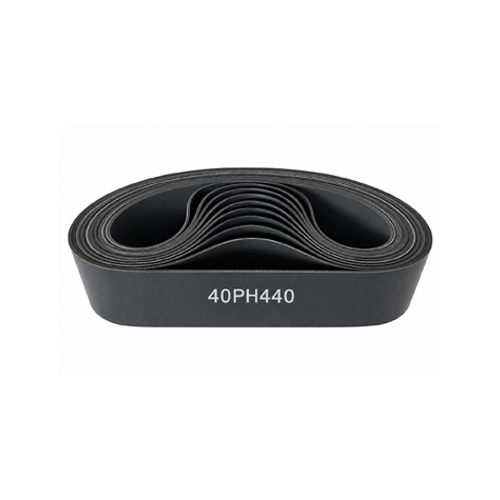
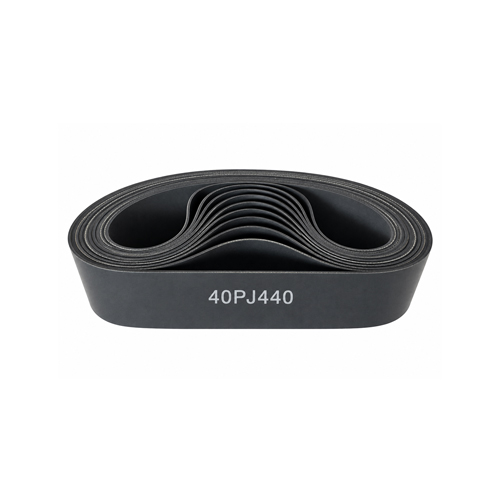
Poly V belt markings usually include information such as the rib profile, number of ribs and belt length, although the exact marking format can vary between brands and standards. For replacement orders, it is best to provide the complete marking shown on the existing belt so the specification can be verified accurately.
Yes. The relatively thin and flexible construction of a Poly V belt makes it suitable for compact drive systems and relatively small pulley diameters. However, the minimum suitable pulley diameter depends on the belt profile, construction, operating speed and application conditions.
If the original belt marking is unreadable, provide the belt profile if known, number of ribs, belt width, belt length, pulley dimensions, equipment model and clear photos of the belt and pulley. An original belt sample can also be used to help confirm the replacement specification.
Yes. Poly V belts can be supplied in different rib quantities and belt lengths according to the selected PH, PJ, PK, PL or PM profile and the required drive configuration. Availability depends on the specific belt construction and requested specification.
Please provide the belt profile, number of ribs, belt length, existing belt marking, required quantity and application information. For replacement applications, equipment details, pulley dimensions, photos or an original sample can also help confirm the correct specification.