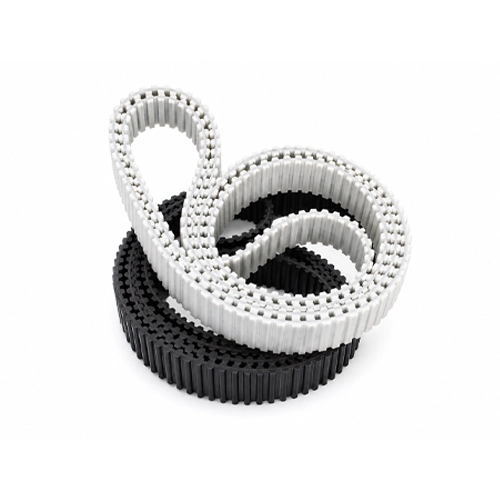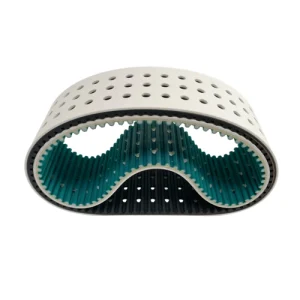
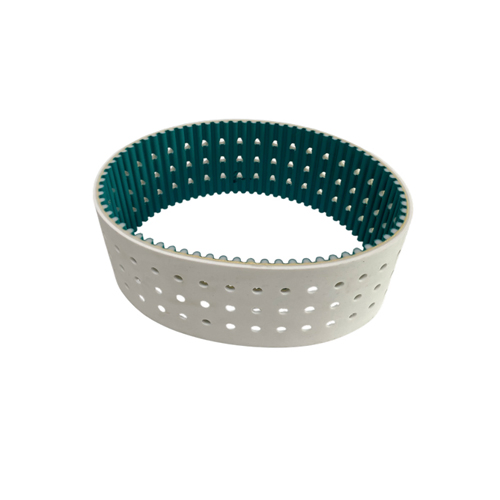
Silicone Timing Belt
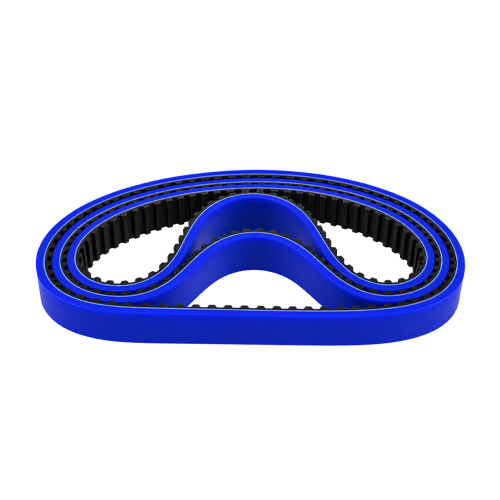
– High-grip silicone timing belts designed for film pulling, product handling, packaging and automated conveying where synchronized movement and controlled product contact are required
– Available with silicone-coated PU or rubber timing belt bases, combining synchronous transmission with a soft, high-friction contact surface
– Silicone thickness, hardness and color can be selected according to required grip, product contact and operating conditions
Silicone Timing Belt Structure
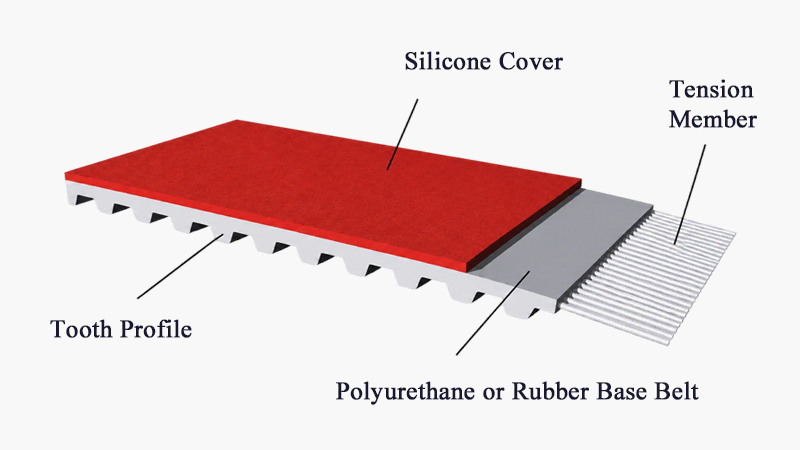
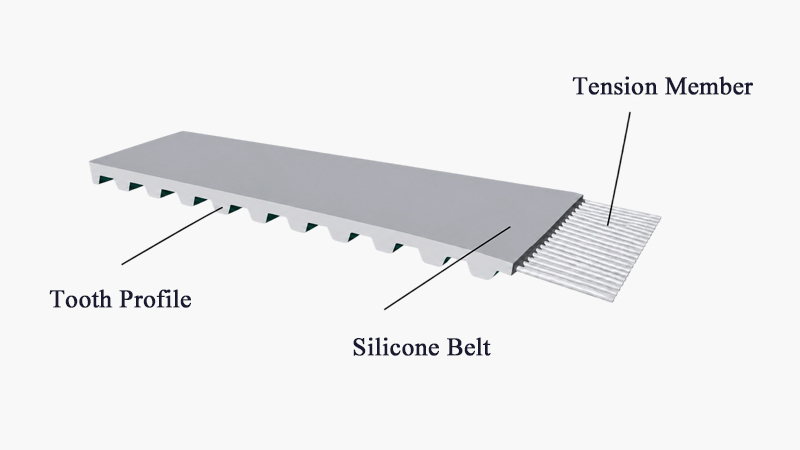
Silicone timing belts are available in two main constructions: silicone-coated timing belts and solid silicone timing belts.
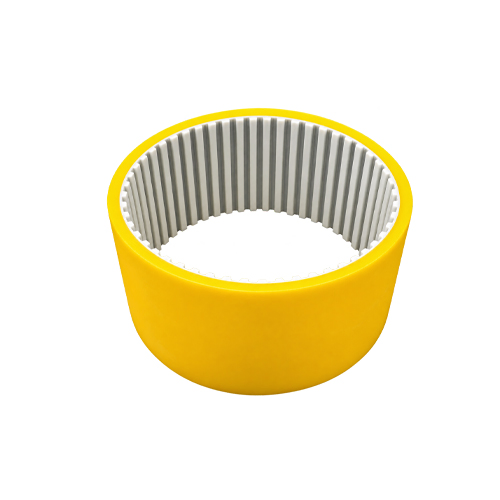
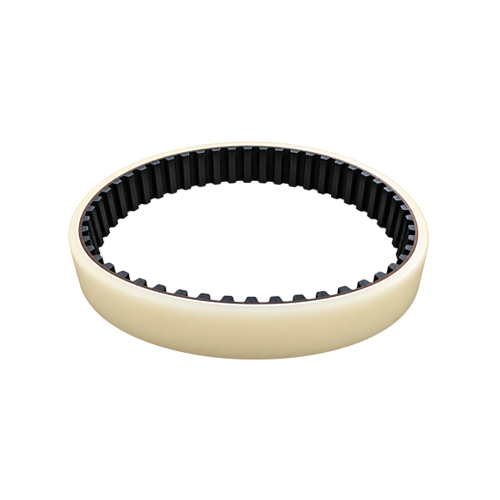
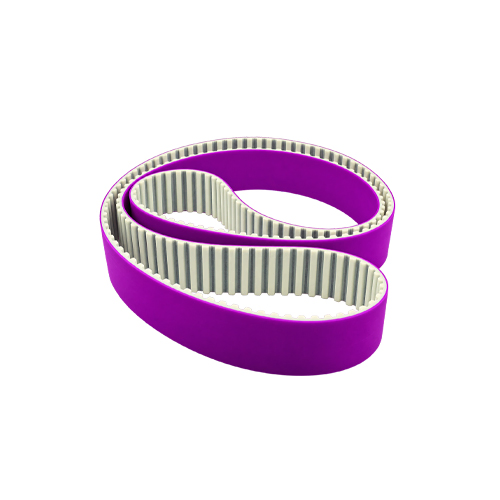
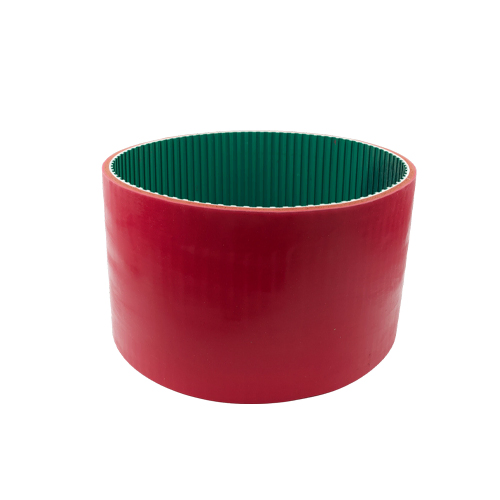
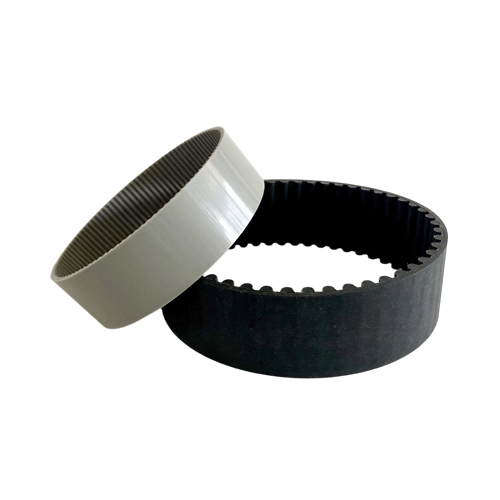
Silicone coated timing belts are produced by applying a silicone rubber layer onto PU or rubber bases. This structure combines the strength, dimensional stability, and precise tooth engagement of the timing belt core with the soft, high-friction characteristics of silicone surfaces.
The silicone coating provides a flexible, high-friction contact surface with useful temperature resistance for suitable applications. It improves grip between the belt and conveyed products, reduces slipping, and helps protect sensitive materials from scratches or surface damage. Depending on different application requirements, silicone coatings can be customized in thickness, hardness, color, and surface patterns.
Solid silicone timing belts use a silicone-based structure for specialized applications requiring a soft contact surface or specific handling characteristics. Because silicone has different mechanical properties from PU and rubber belt materials, solid silicone constructions should be selected according to the specific equipment and operating requirements.
The internal construction depends on the selected PU or rubber belt base. Reinforcement, tooth profile, and overall configuration are matched to the base belt and equipment requirements.
![]()
Silicone Timing Belt Base Constructions
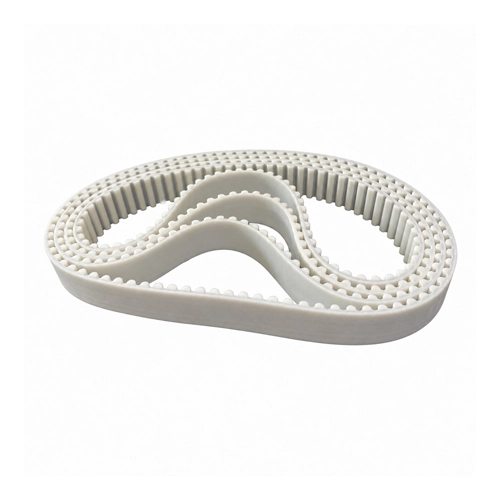
Combines the dimensional stability and wear resistance of a PU timing belt base with the grip and cushioning characteristics of silicone.
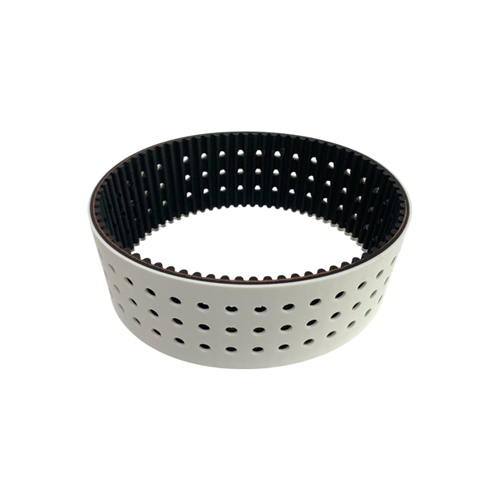
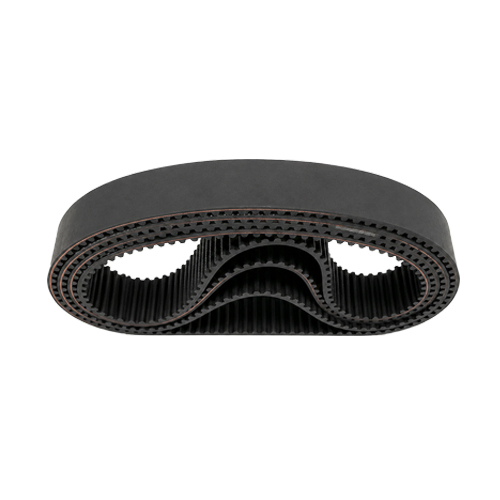
Combines a rubber timing belt base with a silicone contact surface for applications requiring flexibility, grip, and controlled product contact.
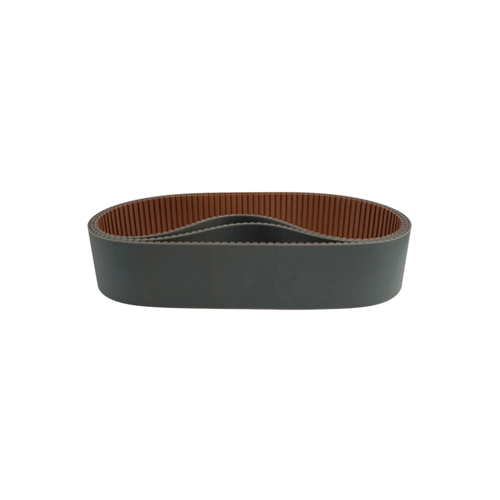
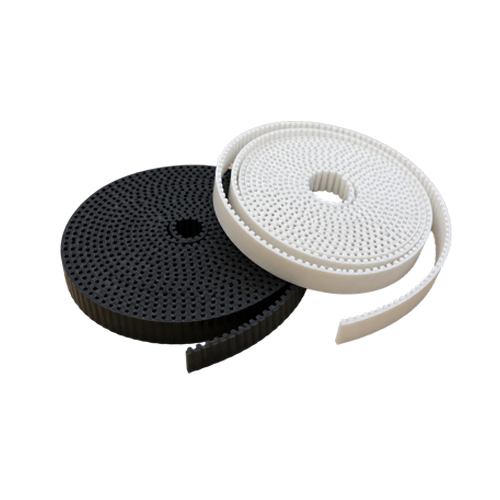
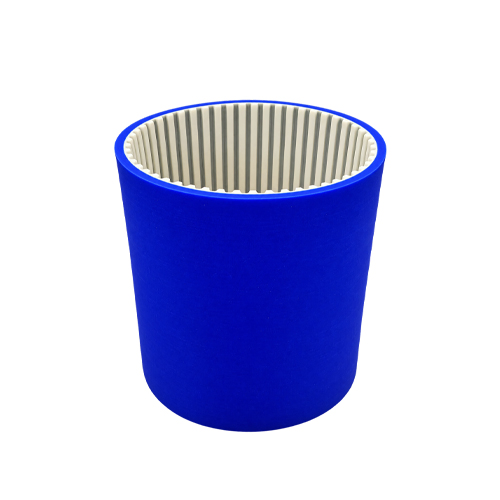
Available for selected applications requiring a silicone-based belt structure and soft contact characteristics.
Custom Silicone Timing Belt Solutions
TRANDVOX supplies custom silicone timing belt solutions according to equipment specifications, product-handling requirements, technical drawings, and existing belt samples.
Silicone surface properties can be matched to the required grip, product contact, belt speed, pulley configuration, and operating conditions. The appropriate PU or rubber base belt construction can then be selected according to the required synchronous transmission and machine configuration.
Additional timing belt fabrication can be specified when the silicone timing belt requires application-specific modifications beyond the standard belt configuration.
Silicone Timing Belt Specifications
| Specification | Available Options |
|---|---|
| Base Belt | PU / Rubber / Selected Solid Silicone Construction |
| Silicone Thickness | Customized according to application |
| Silicone Hardness | Application-specific |
| Silicone Color | Customized |
| Belt Width & Length | Customized according to equipment requirements |
| Base Belt Specification | Tooth profile, reinforcement, and configuration according to selected timing belt base |
Get Free Quote of Silicone Timing Belt
As a silicone timing belt supplier, TRANDVOX provides customized silicone coated timing belt solutions for automation equipment manufacturers, distributors, and industrial customers.
Based on belt specifications, drawings, samples, or equipment information, our team helps customers select suitable silicone timing belt solutions according to application requirements.
For quotation and technical evaluation, customers can provide belt profile, width, length, number of teeth, pulley information, machine model, or existing belt samples. TRANDVOX supports customers with suitable belt selection and reliable supply solutions.
Silicone Timing Belt Applications
Silicone timing belts are commonly used in applications where synchronous movement must be combined with reliable surface grip, controlled product contact, or specialized handling requirements. Depending on the application, silicone-coated PU or rubber belts can be configured with different silicone hardness, thickness, and surface textures.
VFFS Packaging
Silicone timing belts are used in vertical form-fill-seal (VFFS) packaging machines for film pulling and feeding applications. The silicone surface provides additional grip on packaging film, helping maintain stable film movement during forming, filling, and sealing operations.
Packaging Machinery
For packaging equipment handling bags, pouches, labels, cartons, and packaged products, silicone timing belts provide a controlled contact surface for feeding, positioning, and transfer operations where additional grip is required.
Food Processing & Hygienic Applications
Silicone timing belts can be used in selected food processing and hygienic handling applications where a suitable silicone contact surface is required. Belt construction and silicone specifications should be selected according to product contact, cleaning, temperature, and operating requirements.
Electronics & Precision Handling
Silicone timing belts can be configured for selected electronics and precision handling equipment where controlled surface contact and stable synchronous movement are required. Silicone hardness and surface characteristics can be selected according to the product being handled.
Electronic and Photovoltaic Manufacturing
Precision, clean synchronized conveying on production lines for electronic components, photovoltaic modules, and similar products.
FAQ
A silicone timing belt is a synchronous belt that combines toothed belt transmission with a silicone contact surface. The most common construction uses a PU or rubber timing belt base with a silicone coating.
Silicone provides controlled surface grip and softer product contact for applications such as packaging, film pulling, product handling, and automated conveying.
A silicone coated timing belt is a PU or rubber timing belt with a silicone layer applied to one or more belt surfaces.
The toothed belt base provides synchronous transmission, while the silicone surface provides grip, cushioning, and controlled contact with the conveyed material.
Silicone coating has characteristics of temperature resistance, but the allowable operating temperature of a silicone timing belt depends on the silicone material, belt base, reinforcement, construction, and operating conditions. The overall belt construction should be evaluated rather than selecting the belt only based on the silicone layer.
Yes. Silicone-coated timing belts are commonly used in VFFS equipment for film pulling and feeding applications where stable traction and synchronized movement are required.
Silicone hardness can be selected according to the product being handled, required grip, contact pressure, belt speed, and operating conditions.
The appropriate hardness should be confirmed based on the specific application rather than selecting hardness by a general rule.
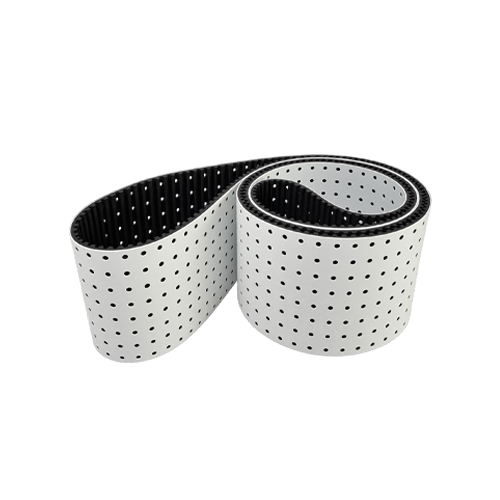
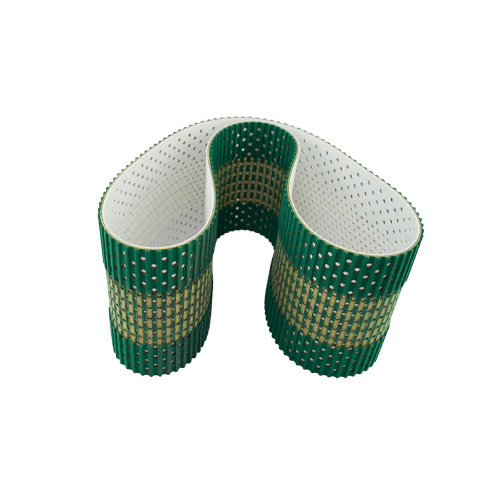
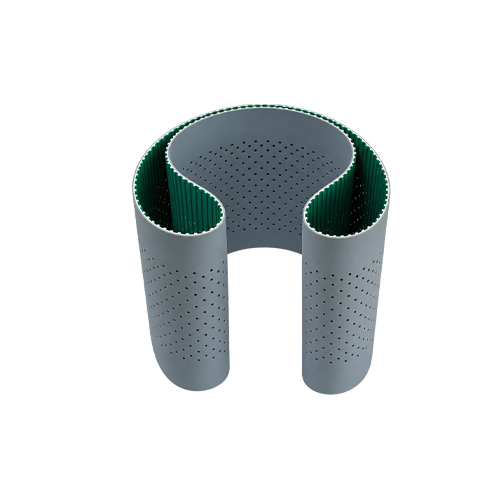
Yes, suitable silicone-coated timing belts can be supplied with vacuum holes or other perforations when the belt construction and application permit.
Vacuum holes are particularly relevant to film pulling and vacuum-assisted handling applications.
Silicone timing belts can be supplied for suitable food-processing and packaging applications. For direct food contact, the specific silicone compound and complete belt construction should be confirmed against the applicable material and regulatory requirements.
Silicone hardness should be selected according to the required grip, contact pressure, belt speed and handling requirements. A softer surface may provide more cushioning, while harder surface may be preferred for specific conveying or pulling conditions.
The choice depends on the application. PU timing belt bases are often considered where dimensional stability, wear resistance, and food grade are important. Rubber timing belt bases can be selected for applications requiring flexibility and high temperature.
Yes. Application-specific fabrication can be achieved when the standard belt configuration does not meet the equipment requirements. Depending on the belt construction, modifications may include holes, grooves, silicone hardness, silicone color, teeth removal or other attachments.
A silicone timing belt combines synchronous tooth engagement with a soft, high-friction contact surface. Depending on the construction, it can help improve product grip, reduce slipping, provide controlled product contact, and handle products that may be sensitive to scratches or surface damage.
Related Cases
Application: Vertical Form Fill Seal (VFFS) Packaging Machine Component Type: Custom Silicone-Coated Rubber Timing Belt The Core Issue: Coating delaminated […]