Your Reliable Partner for Industrial Belt Solutions
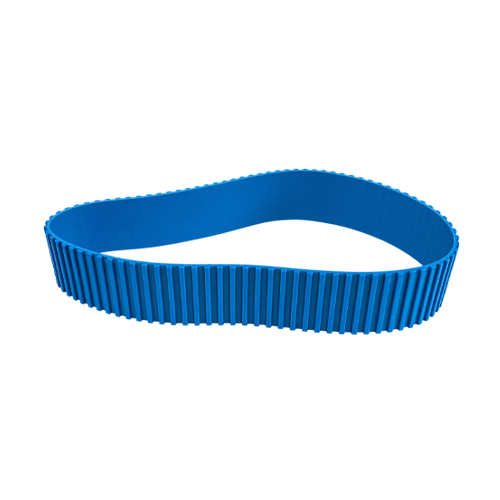
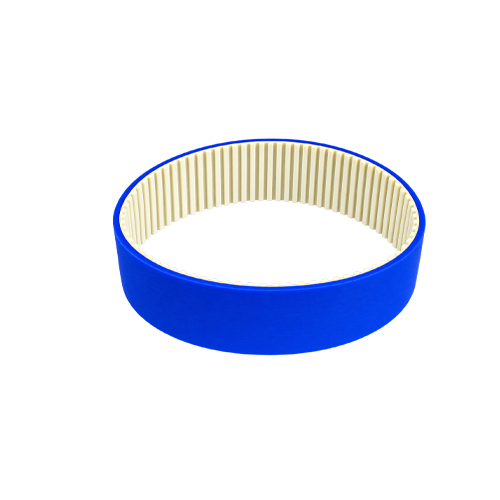
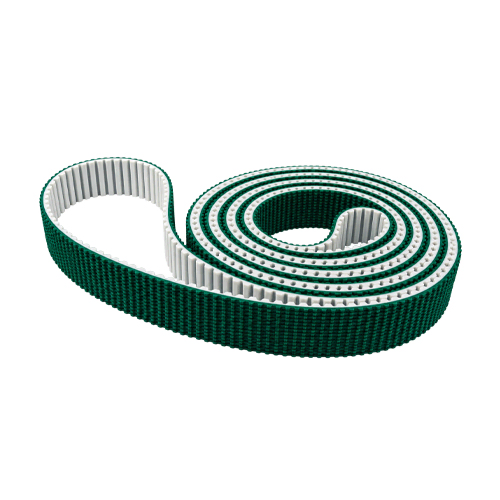
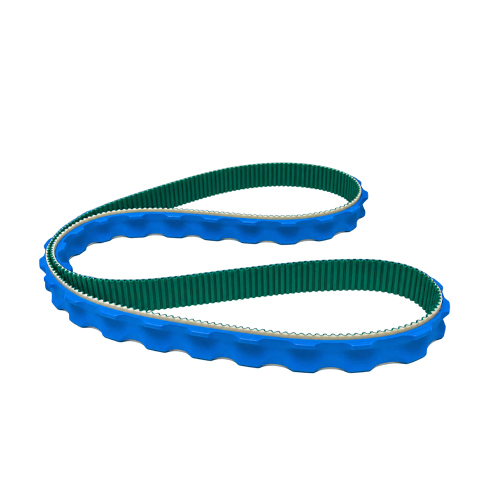
PU Timing Belt

PU Timing Belt

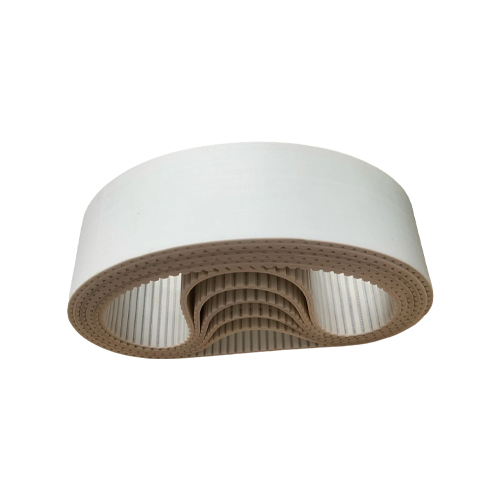
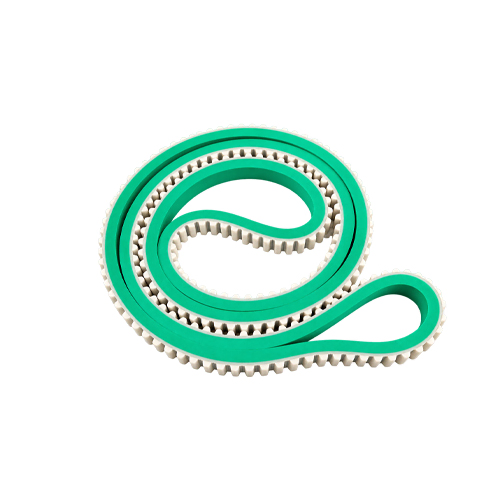
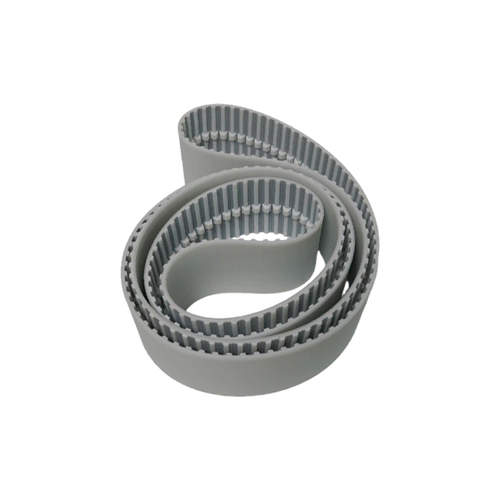
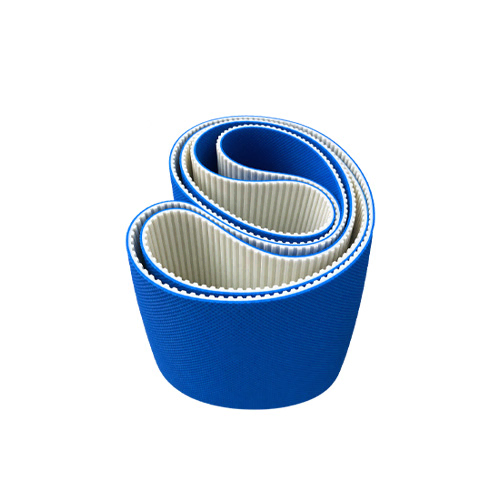
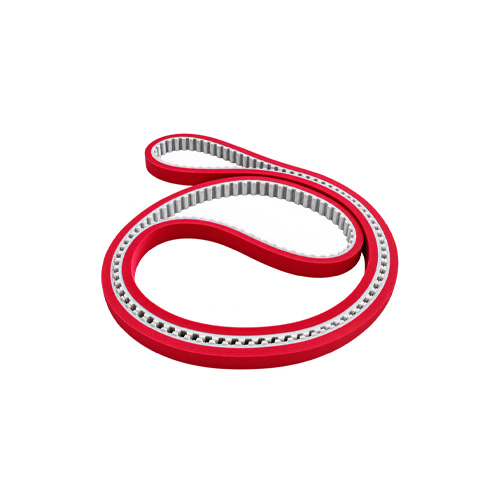
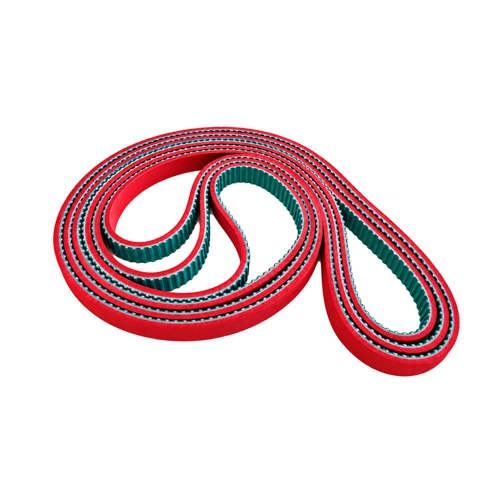
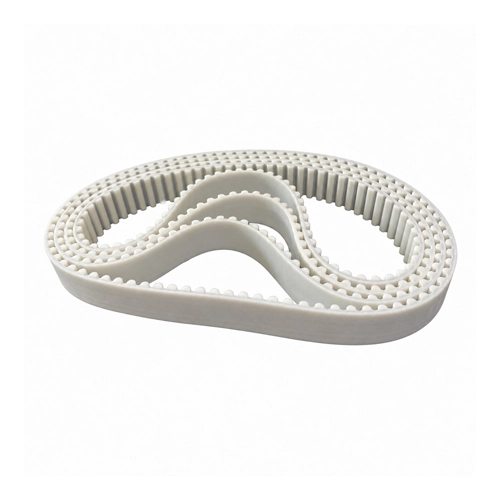
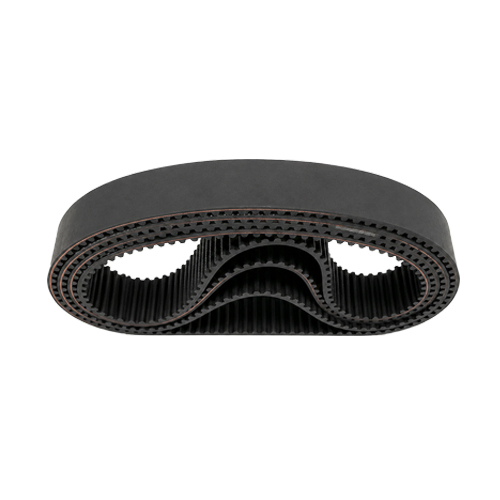
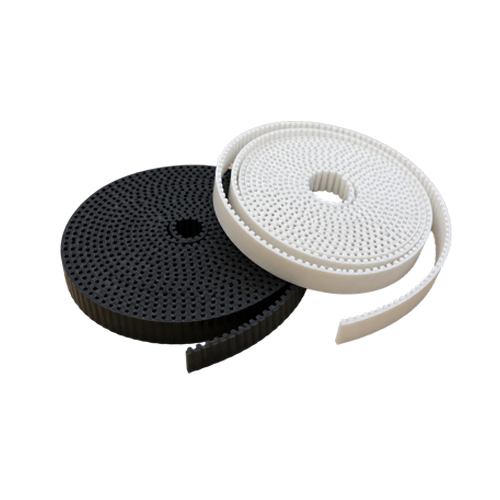
– Polyurethane timing belts designed for precision synchronous transmission, automated positioning, conveying and industrial machinery

– TPU belt construction provides good abrasion resistance and dimensional stability, with steel, Kevlar or stainless steel reinforcement options for different transmission and positioning requirements

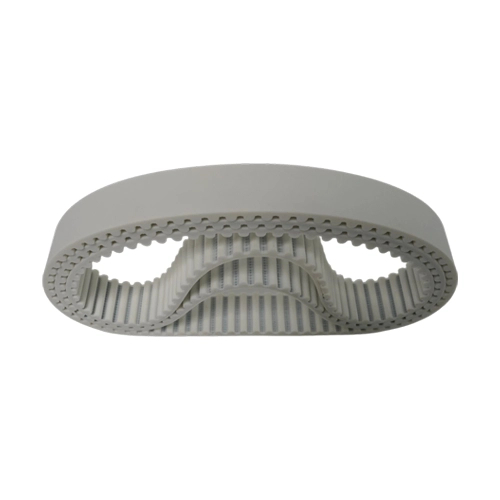
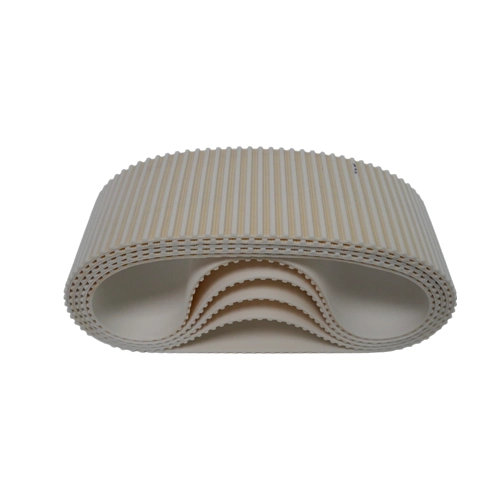
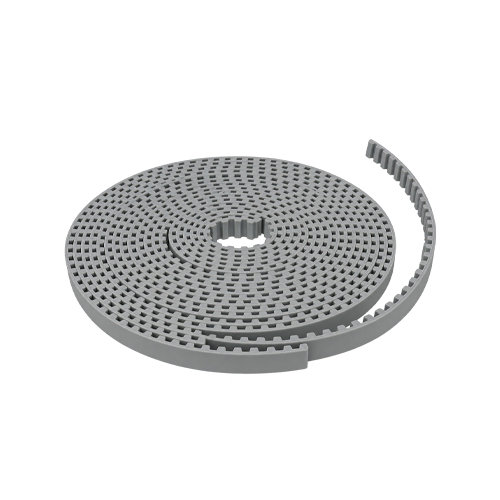
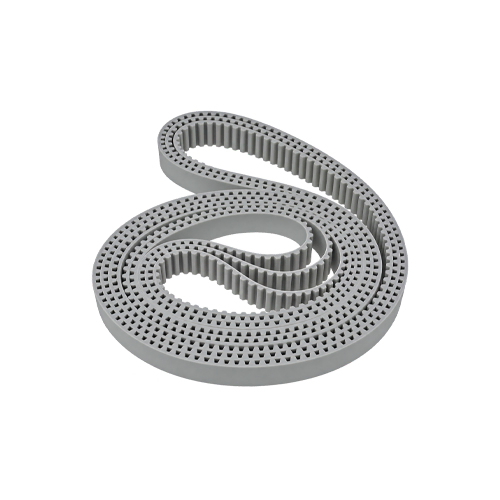
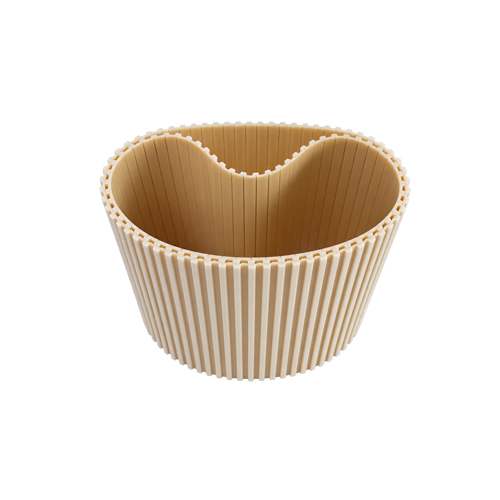
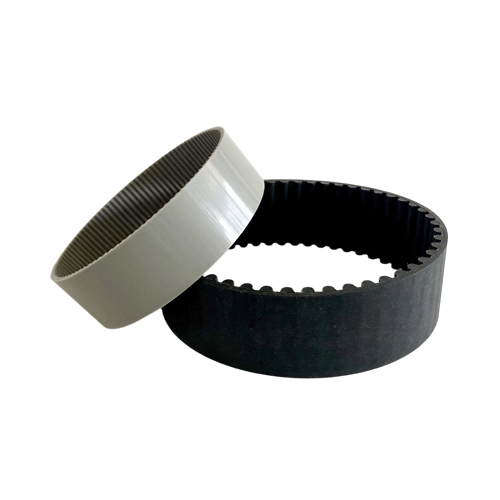
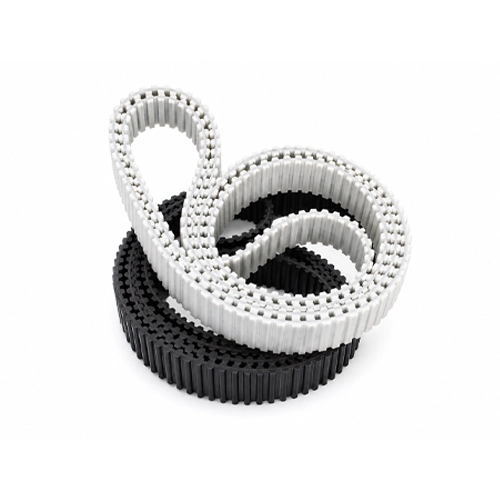
– Available in multiple tooth profiles, dimensions and open ended, endless or double sided configurations to match different timing pulleys and machine designs

PU Timing Belt Description

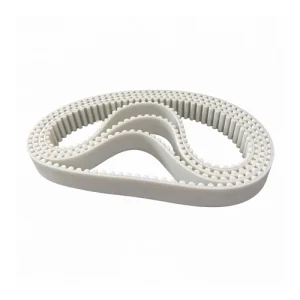
A PU timing belt, also known as a PU synchronous belt is a synchronous drive belt designed to provide precise power transmission through positive tooth engagement with a matching timing pulley. This tooth engagement enables synchronized movement, repeatable positioning, and stable transmission when the belt and pulley are properly selected and installed.

Reinforced with high-strength steel or Kevlar cords, which offers excellent tensile strength and low elongation. This construction helps maintain accurate teeth pitch and stable positioning even during long-term, high-speed, or heavy-duty operation.

The polyurethane body provides good abrasion, oil and chemicals resistance, depending on the specific PU formulation. It also offers dimensional stability, which making the belt suitable for demanding industrial applications.

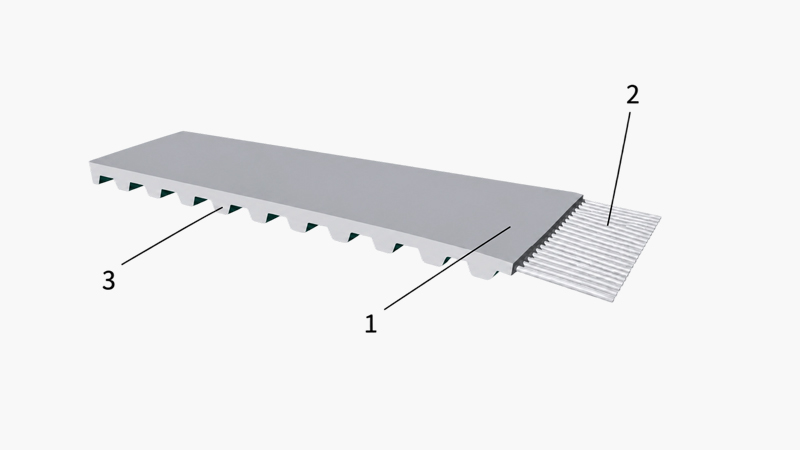
Timing Belt Structure Diagram
  1. TPU Outer Layer: Provides high abrasion resistance, good chemical resistance, and excellent elasticity for reliable performance in demanding applications.
  2. Steel / Kevlar / Stainless Steel Core: Provides high tensile strength, controlled elongation, and dimensional stability to support stable and reliable synchronous transmission.
  3. Precision Tooth Profile: Ensures accurate engagement with matching timing pulleys for reliable synchronous transmission and precise positioning.

PU Timing Belt Cord

Steel Cord PU Timing Belt
Steel Cord

Steel cords provide high tensile strength and controlled elongation. They are suitable for applications requiring high positioning accuracy, stable tooth pitch, and reliable performance under demanding transmission loads.

Send Inquiry Now
Kevlar Cord PU Timing Belt
Kevlar Cord

Kevlar cord provides a lightweight alternative where flexibility, dynamic performance, and resistance to repeated start-stop operation are important.

Send Inquiry Now
Stainless Steel Cord PU Synchronous Belt
Stainless Steel Cord

Stainless steel cords have enhanced corrosion resistance. It is ideal for food processing, medical equipment and other humid or corrosive environments requiring strict hygiene or resistance to acids and alkalis.

Send Inquiry Now

PU Timing Belt Configurations

PU timing belts are available in different configurations according to machine design and application requirements.

PU Timing Belt Customization

TRANDVOX supplies customized PU timing belts for applications requiring specific surface, tracking, positioning, or product-handling features.

Available customization options may include:

  • Surface coatings
  • Fabric coverings
  • Silicone or rubber coverings
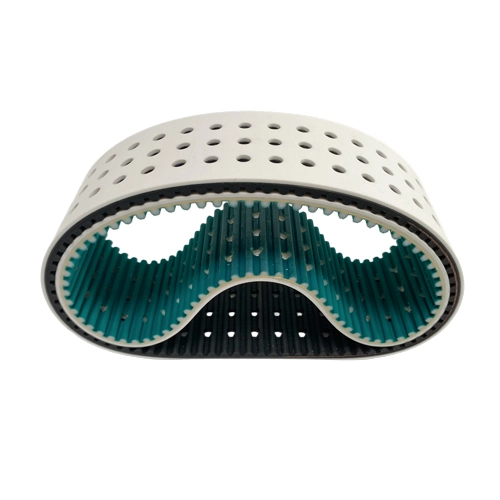
  • Perforations and vacuum holes
  • Cleats and flights
  • Grooves
  • Special profiles

The appropriate modification depends on the belt construction, application requirements, and equipment design. More complex processing requirements can be coordinated through our timing belt fabrication solutions.

PU Timing Belt Specifications

TRANDVOX supplies PU timing belts in different tooth profiles, reinforcement structures, dimensions, and surface configurations. Specifications can be selected according to the timing pulley, transmission requirements, machine design, and operating environment.

Specification Available Options
Belt Material Thermoplastic Polyurethane (TPU)
Reinforcement Steel Cord, Kevlar Cord, Stainless Steel Cord
Tooth Profiles T, AT, HTD, STD, RPP, Imperial Pitch Profiles
Belt Structure Open-Ended, Endless, Double-Sided
Belt Width Customized according to requirements
Belt Length Customized according to equipment specifications
Belt Thickness Available in different sizes and constructions
Surface Options Smooth PU, Rubber Coating, Silicone Coating, Sponge, Fabric Cover
Fabrication Options Perforations, Vacuum Holes, Grooves, Cleats, Special Profiles
Applications Automation Equipment, Packaging Machinery, Logistics Systems, Food Processing, Printing, Textile, Robotics

Get Free Quote of Polyurethane Timing Belt

TRANDVOX supplies PU timing belts for OEMs, distributors, machine builders, and industrial users worldwide. We support standard belt supply, replacement requirements, and application-specific configurations according to equipment specifications and operating conditions.

Our support includes technical specification matching, quality management, supply coordination, and OEM & distributor support. Customers can provide belt dimensions, tooth profile, reinforcement structure, load requirements, operating speed, application conditions, drawings, photographs, or an existing belt sample. Our team can assist with belt identification, specification confirmation, and  the selection of a suitable PU timing belt for the application.

For customized applications, PU toothed belts can be supplied with surface coatings, fabric coverings, silicone or rubber coatings, perforations, vacuum holes, cleats, grooves, and special profiles, depending on the belt construction and application requirements.

TRANDVOX coordinates product sourcing, order processing, production follow-up, pre-shipment inspection, packaging, and international logistics to support sample orders, trial orders, repeat purchasing, and long-term supply programs.

PU Timing Belt Applications

PU timing belts are widely used in industrial equipment where accurate synchronous transmission, dimensional stability, abrasion resistance, and reliable operation are required. Depending on belt construction and application requirements, polyurethane timing belts can be supplied with different reinforcement structures, surface configurations, and fabricated features.

Automation & Robotics

PU timing belts are used in automated machinery, robotic systems, pick-and-place equipment, and positioning mechanisms where repeatable and synchronized movement is required.

Glass & Ceramic Machinery

PU synchronous belts are used in glass and ceramic processing machinery for synchronized conveying , feeding and positioning of glass and ceramic.

Packaging Machinery

Packaging equipment uses polyurethane synchronous belts for synchronized feeding, indexing, positioning, and material handling. Their dimensional stability and abrasion resistance make them suitable for repeated machine cycles and high-frequency start-stop operation.

PU timing belts can also be supplied with suitable surface coverings or fabricated features when additional grip or product-handling performance is required.

Logistics & Material Handling

Polyurethane synchronous belts are used in automated material handling, sorting, transfer, and positioning systems where synchronized belt movement is required. Their wear resistance and stable dimensional characteristics support continuous operation in automated logistics equipment.

Depending on the conveyor design, belts can be supplied with guides, cleats, coatings, or other application-specific modifications.

Printing & Folding Equipment

PU timing belts can be used in printing, paper handling, folding, and feeding equipment where accurate synchronization between rollers and machine components is important. Abrasion-resistant belt constructions can support continuous operation in environments exposed to paper dust and repeated mechanical movement.

For specialized paper-handling requirements, suitable surface coverings can be added according to the application.

Electronics & Semiconductor Equipment

PU timing belts can be used in electronics and semiconductor handling systems where accurate positioning, stable movement, and controlled product contact are important. Suitable belt constructions can support automated transfer, inspection, assembly, and positioning processes.

For applications involving sensitive components, surface properties, reinforcement, and fabrication requirements should be selected according to the equipment and handling process.

PU Timing Belt Selection Guide

Selecting the right PU timing belt requires consideration of equipment requirements, transmission conditions, and application environment. TRANDVOX can assist customers in identifying suitable belt specifications based on technical drawings, existing belt samples, equipment information, or application requirements.

1. Confirm Basic PU Timing Belt Specifications

The first step is to identify the required belt parameters, including:

  • Tooth profile and pitch
  • Belt length(Number of teeth)
  • Belt width
  • Timing pulley specifications

Correct matching between the timing belt and pulley ensures smooth engagement, accurate transmission, and reliable operation.

2. Select the Appropriate Reinforcement Structure

The reinforcement core should be selected according to the equipment load, positioning accuracy, and operating conditions.

Important factors include:

  • Transmission load
  • Required positioning accuracy
  • Operating speed
  • Start-stop frequency
  • Belt flexibility requirements

3. Consider Operating Conditions

The working environment directly affects belt performance and service life.

Important selection factors include:

  • Operating temperature
  • Oil or chemical exposure
  • Moisture and cleaning conditions
  • Dust, fibers, or other contaminants
  • Static control requirements

Selecting suitable belt materials and structures helps ensure reliable performance under different industrial operating conditions.

4.Determine Surface Requirements

For applications involving product conveying, gripping, or positioning, the required belt surface characteristics should be confirmed.

Considerations include:

  • Required friction level
  • Product protection requirements
  • Conveying stability
  • Contact surface conditions

Selecting an appropriate belt surface can help improve product handling performance, maintain stable conveying, and reduce slipping during operation.

5. Confirm Special Application Requirements

Some automation systems require additional belt modifications to match specific equipment designs andinstallation requirements.

Before production, customers should confirm:

  • Processing locations
  • Dimensions
  • Installation direction
  • Position and spacing requirements

Providing accurate application information helps ensure the final finished belt matches the equipment requirements.


Polyurethane Timing Belt vs Rubber Timing Belt

Polyurethane timing belts and rubber timing belts are both widely used for synchronous transmission applications. The right choice depends on operating conditions, precision requirements, and application environment.

Comparison Polyurethane Timing Belt Rubber Timing Belt
Material Thermoplastic polyurethane (TPU) Chloroprene Rubber
Hardness 90-92 shore A, hard with higher tensile strength 65 shore A, softer with better flexibility
Working Noise More noise during high-speed operation due to its hard material Lower noise and smoother operation due to its soft and shock-absorbing material
Wear Resistance Excellent abrasion resistance for long service life Good wear resistance for general applications
Dimensional Stability Excellent, with low elongation and accurate positioning Good, suitable for standard power transmission
Oil & Chemical Resistance Excellent resistance to oils and many chemicals Depends on rubber material type
Typical Applications Automation, packaging, logistics, precision conveying Industrial machinery, heavy-duty transmission, general drive systems

Polyurethane timing belts are commonly selected for applications requiring high positioning accuracy, clean operation, wear resistance, and stable long-term performance. Rubber belts are often preferred for demanding power transmission applications requiring strong load capacity and cost efficiency.

TRANDVOX supplies both PU timing belts and rubber timing belts, helping customers compare material characteristics and select a suitable belt according to equipment requirements and operating conditions.

FAQ

1. What is a PU timing belt?

A PU timing belt, also referred to as a polyurethane toothed belt or PU synchronous belt, is a synchronous belt made from thermoplastic polyurethane and reinforced with tensile members such as steel or Kevlar cords. It transmits motion through positive tooth engagement with a matching timing pulley.

2. What are the advantages of polyurethane timing belts?

Polyurethane timing belts offer excellent wear resistance, dimensional stability, and resistance to oils, chemicals, and environmental aging. Compared with many traditional belt materials, PU timing belts provide accurate tooth engagement, low elongation, and reliable synchronous transmission performance.

3. What tooth profiles are available for PU timing belts?

PU timing belts can be supplied in various tooth profiles depending on belt construction and pulley requirements, including T, AT, HTD, STD, RPP, and imperial pitch profiles.

The selected tooth profile must match the corresponding timing pulley.

4. What cords options are available for PU timing belts?

Common cord options include steel, Kevlar cords and stainless steel cords. Steel cords are suitable for high tensile loads and stable tooth pitch, while Kevlar can provide a lightweight and flexible alternative. Stainless steel reinforcement can be considered where enhanced corrosion resistance is required.

5. Can PU timing belts be used for conveying?

Yes. of course, they can be used for synchronized conveying, feeding, indexing, and positioning. They can also be fabricated with coatings, profiles, cleats, perforations, vacuum holes, and other features for specialized conveying applications.

6. How do I identify a PU timing belt?

A PU timing belt can be identified by checking key specifications, including tooth profile, pitch, belt length, width, thickness, reinforcement type, and belt structure.

If the original specifications are unavailable, customers can provide belt photos, samples, or pulley information. TRANDVOX can assist with belt identification and recommend a suitable PU timing belt solution.

7. What factors should I consider when choosing between PU and rubber timing belts?

PU timing belts are commonly selected for abrasion resistance, dimensional stability, clean operation, and precise synchronous movement. Rubber timing belts can be suitable for applications requiring flexibility, shock absorption, and demanding mechanical power transmission.

8. How can PU timing belt service life be extended?

Proper belt selection, correct tension, accurate pulley alignment, suitable operating conditions, and regular inspection can help extend service life. The belt should also be protected from excessive loads, incompatible chemicals, and operating temperatures outside its specified range.

9. How do you select and maintain polyurethane timing belts?

Selecting the correct polyurethane timing belt requires consideration of belt size, tooth profile, reinforcement type, load, speed, pulley design, and operating environment.

Proper maintenance includes:

  • Checking belt tension regularly
  • Inspecting pulley alignment
  • Preventing contamination from oil or chemicals
  • Monitoring abnormal noise or wear
  • Replacing belts according to application conditions

Correct selection and maintenance help maximize belt performance and service life.

10. How to choose a reliable PU timing belt supplier?

A reliable PU timing belt supplier should provide consistent quality, technical support, flexible customization, and stable delivery.

When selecting a supplier, customers should consider:

  • Product range and specifications
  • Quality control process
  • Custom fabrication capability
  • Technical communication support
  • Supply stability
  • Export experience
11. What is the delivery time for PU timing belts?

Delivery time depends on belt specifications, customization requirements, order quantity, and production scheduling.

Standard PU timing belts may have shorter lead times, while customized belts involving coatings, machining, cleats, or special structures may require additional processing time.

TRANDVOX coordinates order confirmation, production follow-up, quality inspection, and shipment arrangements to support reliable delivery.

12. Can you provide custom PU timing belts according to drawings or samples?

Yes. TRANDVOX can supply customized PU timing belts based on customer drawings, samples, photographs, or equipment requirements.
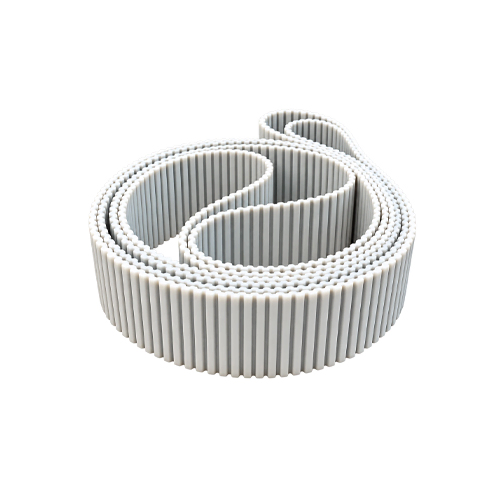
Customization may include:

  • Belt dimensions
  • Surface coatings
  • Vacuum holes
  • Grooves
  • Cleats
  • V-guides
  • Special profiles
13. Can you supply replacement PU timing belts?

Yes. TRANDVOX can support PU timing belt replacement requirements based on belt dimensions, tooth profile, pitch, number of teeth, pulley information, photographs, drawings, or an existing belt sample.

For replacement identification, providing the original belt or pulley information can help confirm the appropriate PU timing belt specification.

Send Inquiry Now
Contact Form

Related Products

Related Cases

Application: Synchronized conveying equipment requiring repeatable cleat positioning Component Type: Drawing-based PU T1/2 inch belt with Kevlar cord and welded […]

Application: Synchronized conveying equipment requiring fixed product spacing Component Type: PU T1/2 inch timing belt with Kevlar cord and welded […]

Application: Industrial conveying and automated material handling system Component Type: Custom polyurethane H200 timing belt with cleats and pin-joint connection The Core […]

Scroll to Top

Send Your Inquiry Now !

Contact Form