1. Quick Answer
An industrial timing belt jumps teeth when its teeth lift out of the pulley grooves and pass over one or more pulley teeth. The most common causes are insufficient installation tension, shock or overload, too few teeth in mesh, and movement in the drive support. Worn or incompatible pulleys and debris in the tooth grooves can also prevent full engagement.
Stop the drive and find the cause before restarting it. Do not assume that more tension is always the answer, because excessive tension can damage the belt, shafts, and bearings.
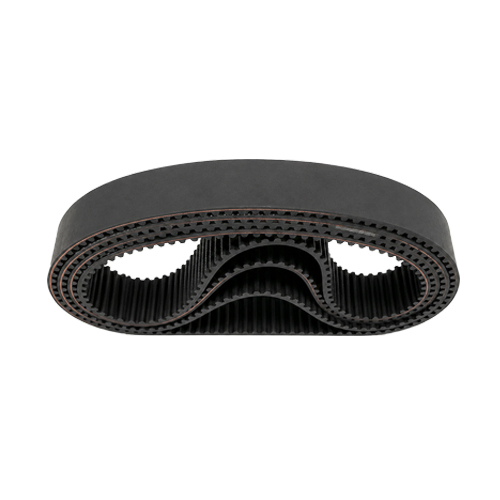
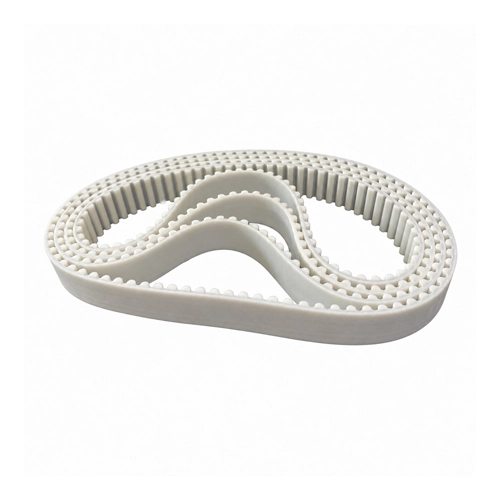
These checks apply to many industrial drives using a polyurethane timing belt or rubber timing belt. The correct tension and allowable load still depend on the belt series, width, pulley geometry, and machine conditions.
2. What Tooth Jumping Means
A timing belt, also called a synchronous belt, transmits motion through positive engagement between the belt teeth and the matching pulley grooves. Tooth jumping, tooth skipping, and belt ratcheting describe the same basic event: the belt lifts on the pulley, crosses a pulley tooth, and changes the relative position of the driving and driven shafts.
The immediate result may be a positioning error, loss of synchronization, reduced transmitted torque, or an unexpected machine stop. The jump can also damage the belt teeth or internal tensile cords.
A peer-reviewed study by Okura and colleagues explains that jumping is influenced by initial tension, pulley diameter, span length, wrap angle, belt extensional rigidity, tooth height, and belt speed. Read the JSME paper.
3. The Most Common Causes of Timing Belt Tooth Jumping
⑴Insufficient Installation Tension
Low installation tension is one of the first conditions to check. As torque rises, the slack side can lose tension. The belt may then lift from the pulley grooves and climb over the teeth.
Tsubaki lists insufficient installation tension as a direct cause of belt tooth skipping. Tsubaki synchronous belt troubleshooting guide. Measure tension by the method specified for the belt series instead of judging it only by hand.
⑵Shock Load or Overload
A drive may run normally at steady speed but jump during starting, braking, reversing, or a machine jam. These events can create a peak load well above the normal running load. If the peak torque exceeds the capacity of the engaged teeth, the belt can climb out of the pulley.
Check for changes in:
- Starting inertia or acceleration time
- Emergency stops and rapid deceleration
- Frequent reversing
- Material jams or a seized driven component
- Product weight or operating throughput
If the load has changed, replacing the failed belt with the same specification may repeat the problem. The drive capacity and peak operating conditions need to be checked.
⑶Too Few Teeth in Mesh
The engaged belt teeth share the transmitted load. A small pulley, limited wrap angle, or unsuitable idler position can leave too few teeth in contact. The load on each tooth then increases.
Tsubaki identifies an insufficient number of meshing teeth as a cause of tooth skipping. Possible design corrections include increasing the pulley tooth count or changing the idler arrangement to increase engagement. Any pulley change must also account for speed ratio, belt length, center distance, and shaft load.
⑷Pulley or Tooth Profile Problems
The belt pitch and tooth profile must match the pulley. Components that look similar are not automatically compatible. An incorrect profile, worn pulley teeth, damaged belt teeth, or debris in the grooves can prevent the belt from seating correctly.
Inspect both the belt and pulleys for:
- Rounded or visibly worn pulley teeth
- Polished, cracked, deformed, or missing belt teeth
- Rubber or polyurethane debris around the drive
- Foreign material inside the pulley grooves
- A replacement belt with the wrong pitch or tooth profile
⑸Movement in the Drive Structure
The initial tension can fall if the motor base, bearing support, shaft, or frame moves under load. Tsubaki includes insufficient mounting-stand rigidity among the direct causes of tooth skipping. Loose fasteners, worn bearings, shaft deflection, or a flexible mounting plate can therefore create an intermittent problem that is difficult to see while the machine is stopped.
⑹Misalignment and Contamination
Misalignment more often causes tracking problems and edge wear than an immediate jump, but severe misalignment can disturb tooth engagement and accelerate damage. Contamination can also keep the teeth from entering the grooves fully.
Gates recommends checking synchronous drive alignment and inspecting the pulley grooves for damage and debris. Gates preventive maintenance manual.
4. Why More Tension Is Not Always the Correct Fix
If measured tension is below the specified value, correct adjustment may prevent the belt from lifting. However, adding tension without measuring it can create a different failure. Excessive pretension increases tooth-root wear and raises the loads on shafts and bearings.
Optibelt explains that low pretension increases the risk of tooth jumping, while excessive pretension can damage the teeth and increase shaft and bearing loads. Optibelt technical manual for rubber timing belt drives.
The correct target is the specified installation tension for the belt and drive, not the highest tension the system can tolerate.
5. A Practical Inspection Sequence
Isolate the machine from its power source before inspecting the drive. Then work through the following checks:
- Confirm that the belt jumped teeth. Check that the pulley did not slip on the shaft or hub.
- Record when the fault occurs. Note whether it happens during starting, stopping, reversing, or peak load.
- Inspect the belt teeth. Look for timing belt wear, cracks, deformation, missing teeth, or exposed tensile cords.
- Inspect the pulleys. Check the tooth condition, groove cleanliness, belt profile compatibility, and shaft connection.
- Measure installation tension with the specified method and value for the belt series.
- Check the small pulley tooth count, wrap angle, and number of teeth in mesh.
- Check pulley alignment, shaft parallelism, bearings, motor base, and frame rigidity.
- Compare the actual peak load and operating cycle with the original drive design.
- Replace damaged components and test the corrected drive under controlled conditions.
6. Can a Timing Belt Be Reused After Jumping Teeth
Do not return the belt to service without inspection. A jump can damage the tooth roots or overstretch the tensile cords, and some internal damage may not be visible from the belt back. Optibelt notes that jumping can lead to cord damage, tooth shear, or belt failure.
Replacement is the safer choice when teeth are cracked, deformed, missing, or separated from the belt body, when tensile cords are exposed, or when the drive depends on accurate positioning. Inspect the pulley and tensioning components before installing the new belt so the same fault does not damage the replacement.
7. Information to Confirm Before Ordering a Replacement
A reliable timing belt replacement starts with the drive specification rather than overall length and width alone. Provide the following information where available:
- Belt marking, pitch, tooth profile, length or tooth count, and width
- Belt material and tensile-cord type if known
- Driving and driven pulley tooth counts
- Pulley dimensions, tooth profile, and center distance
- Operating speed, normal torque, and peak torque
- Starting, stopping, braking, and reversing conditions
- Ambient temperature and exposure to oil, water, dust, or chemicals
- Photos of the belt, pulley teeth, drive layout, and observed damage
- Equipment drawing or original belt data sheet
TRANDVOX helps overseas buyers source industrial belts for replacement and machine applications. Clear markings, dimensions, pulley details, and working conditions help reduce identification errors and improve sourcing efficiency.
8. Frequently Asked Questions
⑴Can a Timing Belt Jump Even When It Feels Tight
Yes. A belt may feel tight by hand but still have the wrong measured installation tension. It can also jump because of a shock load, too few teeth in mesh, a worn pulley, or movement in the drive support. Measure the tension and inspect the complete drive before making another adjustment.
⑵What Indicates That a Timing Belt Has Actually Jumped Teeth?
Possible signs include a sudden positioning error, loss of synchronization, a ratcheting sound during acceleration or braking, and fresh belt debris near the pulley. Worn or deformed teeth also support the diagnosis. Confirm that the belt jumped before changing it, because a loose pulley or hub can produce a similar position error.
⑶Why Does a New Timing Belt Still Jump Teeth
A new belt will not correct an installation or drive-design problem. It may still jump if the tension is incorrect, the belt pitch or tooth profile does not match the pulley, the pulley is worn, the load exceeds the drive capacity, or the mounting structure moves under load. Check these conditions before assuming the new belt is defective.
⑷Should the Pulleys Be Replaced with the Timing Belt
Not automatically. Replace a pulley if its teeth are worn, damaged, contaminated beyond proper cleaning, or incompatible with the replacement belt. A serviceable pulley can remain in use if its profile, dimensions, alignment, and shaft connection are correct. Always inspect both pulleys before installing a new belt.
⑸Can a Wider Timing Belt Prevent Tooth Jumping
A wider belt may increase drive capacity when the original drive is undersized, but it will not correct low tension, inadequate tooth engagement, a worn pulley, or a flexible mounting structure. Belt width changes can also alter shaft and bearing loads. Review the complete drive calculation before changing the width.
⑹How Many Timing Belt Teeth Should Be in Mesh
There is no universal number for every timing belt drive. The required engagement depends on the belt series, pitch, width, pulley size, transmitted load, and operating cycle. Use the belt manufacturer’s design data or calculation method, especially for the small pulley and applications with shock loading.
9. Conclusion
A timing belt jumps teeth when it cannot remain fully engaged with the pulley under the actual operating load. Check tension, peak load, teeth in mesh, pulley condition, and structure rigidity first. Then inspect alignment, contamination, and belt-to-pulley compatibility.
Do not treat every jump as a tension-only problem. The lasting correction may require tension adjustment, replacement of worn parts, removal of a shock load, or a review of the drive design.