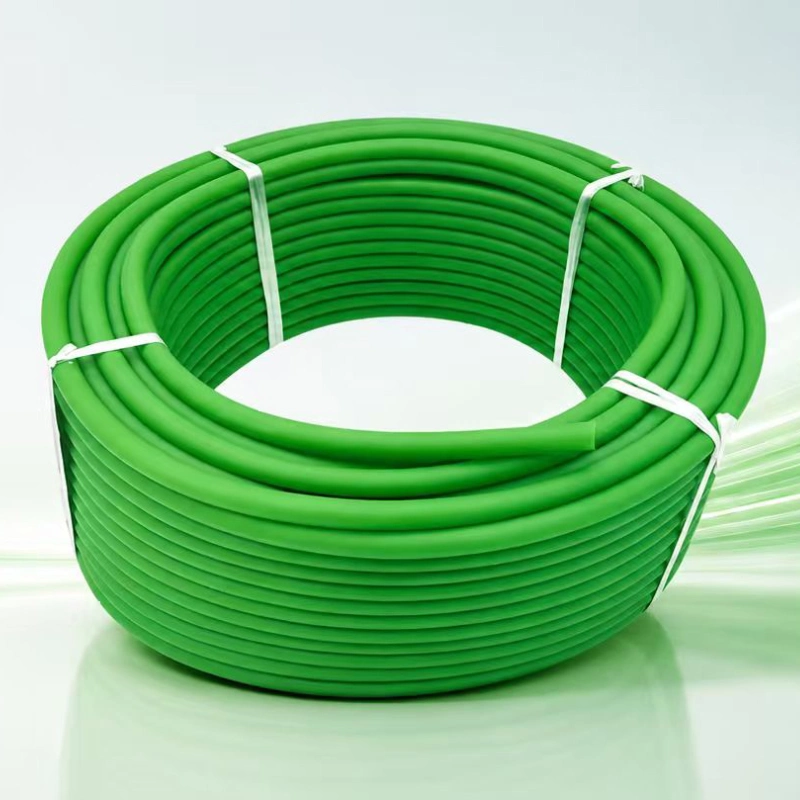
O-Ring Drive Belt
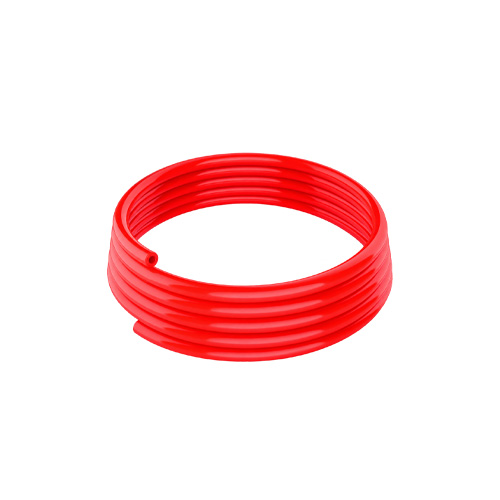
– O-ring drive belts supplied as finished closed loops for roller conveyor systems and light-duty drive applications
– Available in welded endless and seamless molded constructions to meet different sizing, installation and application requirements
– Customizable by cross-section diameter and finished circumference for new equipment and replacement applications
O-Ring Drive Belt Construction Options
O-ring drive belts can be produced using different endless constructions. The appropriate option depends on the required belt size, application and manufacturing method.
Welded Endless O-Ring Drive Belt
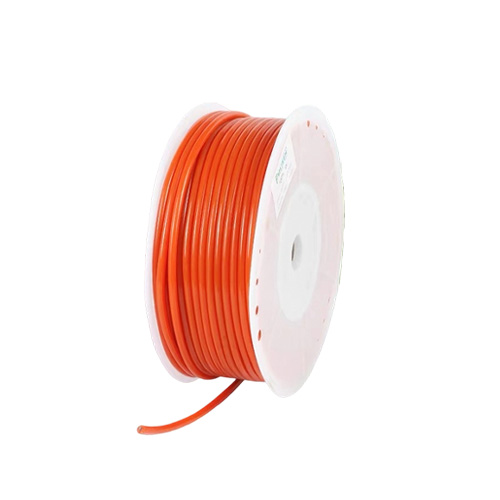
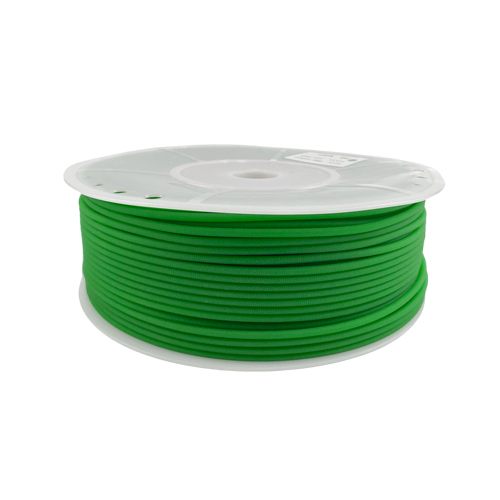
A welded endless O-ring belt is made from polyurethane round belting that is cut to the required length and heat-welded into a closed loop.
This construction allows the finished belt circumference to be customized according to the machine or conveyor requirement.
Welded O-ring drive belts are commonly used for replacement belts, roller conveyor systems and equipment requiring customized endless belt lengths.
Seamless Molded O-Ring Drive Belt
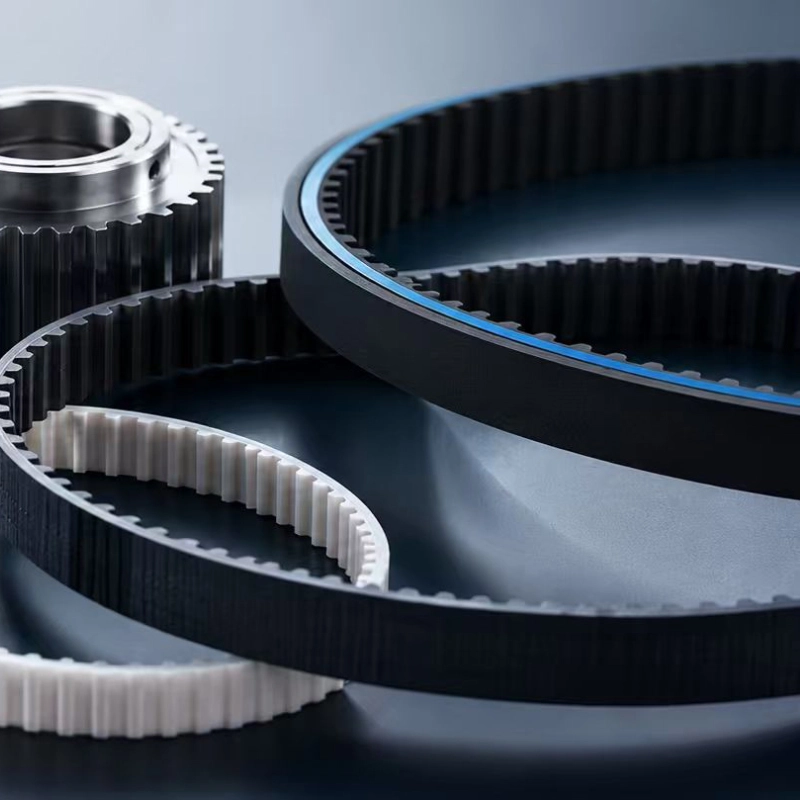
A seamless O-ring drive belt is formed as a continuous loop without a welded joint.
Instead of joining two ends of round belting, the complete ring is produced as an integral molded construction.
This provides an alternative construction for applications requiring a joint-free O-ring belt.
When requesting a seamless O-ring belt, the required cross-section diameter and ring dimensions should be confirmed so that the correct molded size can be selected.
O-Ring Drive Belt Specifications
Correct sizing is especially important when ordering an O-ring drive belt because both the round cross-section diameter and the finished loop size affect installation and operating tension.
Typical specification information includes:
| Specification | Available / Required Information |
|---|---|
| Material | Polyurethane |
| Belt Shape | Round cross-section |
| Construction | Welded endless / Seamless molded |
| Cross-Section Diameter | According to application requirement |
| Finished Circumference | Customized according to belt or machine dimensions |
| Hardness | According to belt specification |
| Color | According to available belt specification |
| Application | Roller conveying / Light-duty drive |
| Replacement | Custom matching available |
For an existing machine, providing the original O-ring drive belt dimensions, pulley arrangement, machine information and belt sample can simplify replacement matching.
Note: Exact size range, hardness and available molded dimensions should be confirmed according to the required O-ring construction.
Get Free Quote of O-Ring Drive Belts
Need an O-ring drive belt for a roller conveyor, machine drive or replacement application?
TRANDVOX can help match the belt according to the cross-section diameter, finished circumference, endless construction, pulley arrangement and operating requirements.
Send us your required belt dimensions and application information. For replacement applications, photos of the existing O-ring belt, machine installation or an original sample can help with product identification.
O-Ring Drive Belts for Roller Conveyors
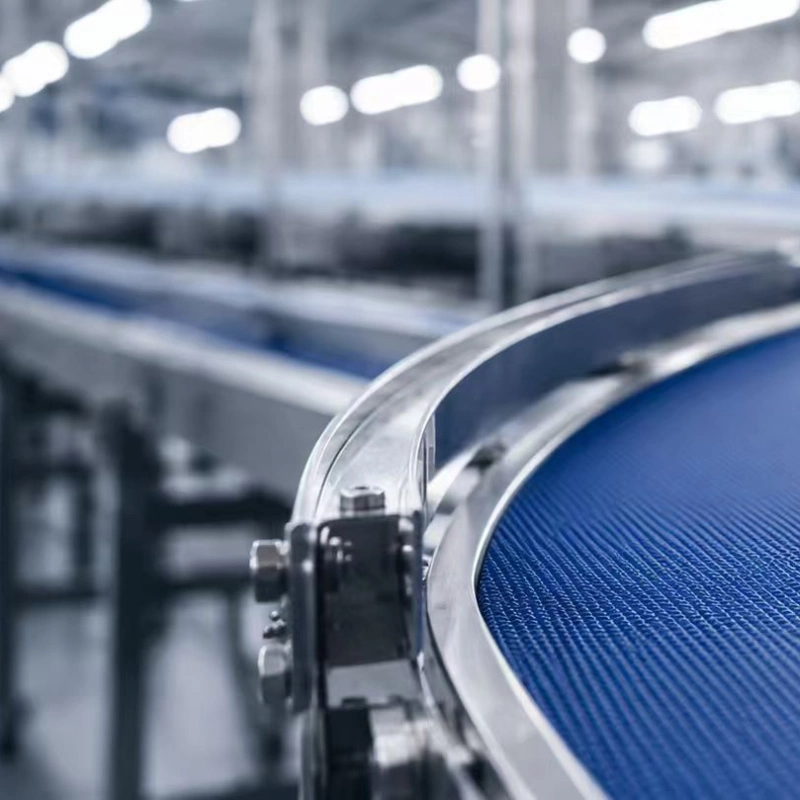
Roller conveyor systems are one of the important applications for industrial O-ring drive belts.
The endless round belt runs between pulleys, shafts or conveyor rollers to transfer rotational motion through the conveyor system.
Because roller conveyor layouts vary, the required O-ring cross-section and circumference should be selected according to the roller arrangement, pulley dimensions, center distance and required operating tension.
Line-Shaft Conveyor
In a line-shaft conveyor, round O-ring drive belts can transfer motion from the rotating line shaft to individual conveyor rollers.
Each belt forms a continuous loop between the drive arrangement and the roller, allowing multiple rollers to be driven along the conveyor section.
For replacement applications, the O-ring diameter and finished circumference should be matched to the existing conveyor configuration.
Powered Roller Conveyor
O-ring drive belts can also be used in powered roller conveyor systems where rotational movement needs to be transferred between drive components and conveyor rollers.
Belt selection depends on the roller arrangement, pulley or groove dimensions, center distance and required belt tension.
Transfer, Diverter and Sorting Systems
Endless O-ring belts can be used in transfer, diverter and sorting mechanisms where compact round belts are required to transmit motion between rotating components.
These applications may involve relatively short belt lengths and multiple individual O-ring belts within the same machine.
When replacing multiple belts in one conveyor section, consistent belt dimensions are important for maintaining the intended drive arrangement.
O-Ring Drive Belts for Light-Duty Drives
In addition to roller conveyor systems, polyurethane O-ring drive belts can be used for selected light-duty machine drives.
Their round cross-section allows them to run on compatible grooved pulleys and compact drive arrangements where a small endless belt is required.
Typical applications may include:
- packaging and handling equipment;
- printing and paper-processing equipment;
- automation equipment;
- small machine drive mechanisms.
For these applications, belt selection should be based on the required diameter, circumference, pulley configuration and operating conditions rather than application name alone.
O-Ring Drive Belt Measurement
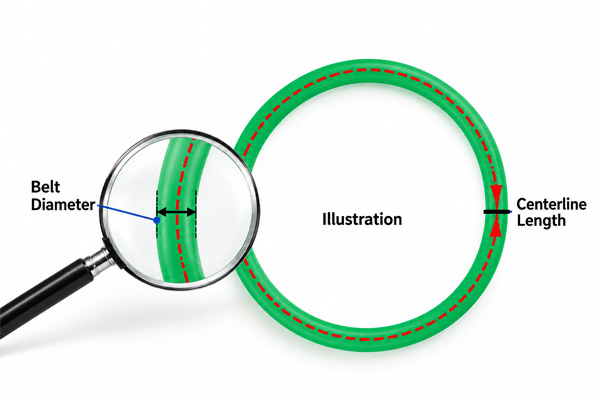
When replacing an existing O-ring drive belt, both the cross-section diameter and loop dimensions need to be identified.
1. Measure the Cross-Section Diameter
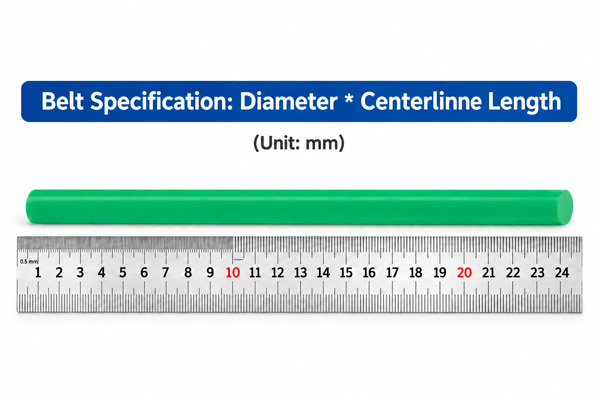
Measure the diameter of the round belt body.
For example, an O-ring belt may have a round cross-section of:
Ø4 mm
Ø5 mm
Ø6 mm
Ø8 mm
The cross-section diameter should not be confused with the diameter of the complete O-ring loop.
2. Confirm the Belt Circumference
Determine the required finished belt circumference according to the original belt or machine arrangement.
Because different suppliers and manufacturing processes may use different dimensional references, specify how the circumference or ring dimension has been measured when requesting a replacement.
3. Check the Existing Belt Condition
An O-ring belt that has been in operation for an extended period may no longer represent its original dimensions exactly.
Wear, operating tension and permanent elongation can affect measurements taken from an old belt.
Where possible, provide the original belt specification or machine information in addition to the measured belt size.
Replacement O-Ring Drive Belt Matching
Replacing an O-ring drive belt involves more than selecting a visually similar ring.
Two belts can have a similar appearance while differing in cross-section diameter, circumference, hardness or construction.
For faster replacement matching, provide:
- cross-section diameter;
- finished circumference or existing ring dimensions;
- welded or seamless construction, if known;
- hardness, if known;
- pulley or roller diameter;
- center distance;
- machine and application information;
- original belt markings, if available;
- clear photos of the existing belt and installation;
- an original belt sample, where available.
If the exact belt specification is unknown, the existing belt and machine dimensions can be reviewed together to identify a suitable O-ring drive belt configuration.
How to Select an O-Ring Drive Belt
Before ordering an O-ring drive belt for a new machine or replacement application, confirm the following information:
1. Cross-Section Diameter
Match the round belt diameter to the pulley groove and existing drive arrangement.
2. Finished Circumference
Confirm the required endless belt size according to the existing belt or machine dimensions.
3. Endless Construction
Determine whether a welded endless or seamless molded O-ring is required.
4. Hardness
Where an existing specification is available, match the required belt hardness.
5. Pulley Diameter
Check the pulley dimensions and compatibility with the selected belt cross-section.
6. Center Distance
For a new application, center distance is useful when determining the required belt length and installation tension.
7. Operating Conditions
Consider machine speed, operating tension, environment and drive arrangement.
8. Existing Belt Information
For replacement applications, original dimensions, markings, photographs or a physical sample can improve matching accuracy.
FAQ
An O-ring drive belt is a round-section belt supplied as a continuous closed loop for transmitting motion between pulleys, rollers or other rotating components. It is commonly used in roller conveyor and light-duty drive applications.
Yes. An O-ring drive belt forms a continuous closed loop. The endless construction may be produced by welding polyurethane round belting or by molding the belt as a seamless ring.
A welded O-ring belt is made by cutting round belting to the required length and joining the ends to form a continuous loop. A seamless O-ring belt is produced as an integral molded ring without a welded joint.
No. O-ring drive belts are designed to transfer motion in conveying or drive systems. Sealing O-rings are designed primarily to create a seal between mechanical components.
Typical applications include line-shaft conveyors, powered roller conveyors, transfer systems, diverters, sorting equipment and selected light-duty machine drives.
Confirm the round cross-section diameter and required finished circumference. For replacement applications, pulley dimensions, center distance, machine information, photographs and an existing belt sample can also help with matching.
Welded endless O-ring drive belts can be produced according to the required finished belt length within the available material and manufacturing range. Seamless molded sizes depend on the available molded specifications.
Provide the cross-section diameter, finished circumference or existing ring dimensions, construction type if known, pulley dimensions, center distance and application information. Photos or an original sample are useful when the existing specification is unknown.