Application: Synchronized conveying equipment requiring repeatable cleat positioning
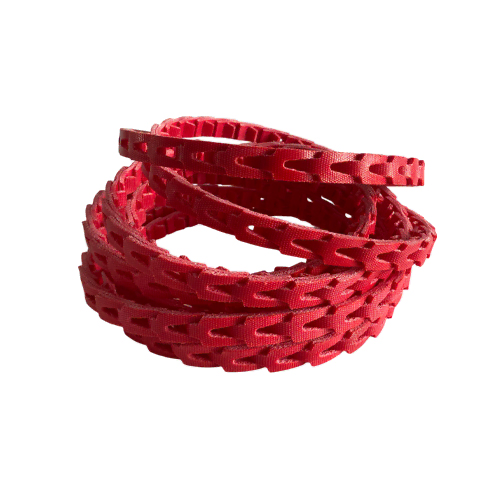
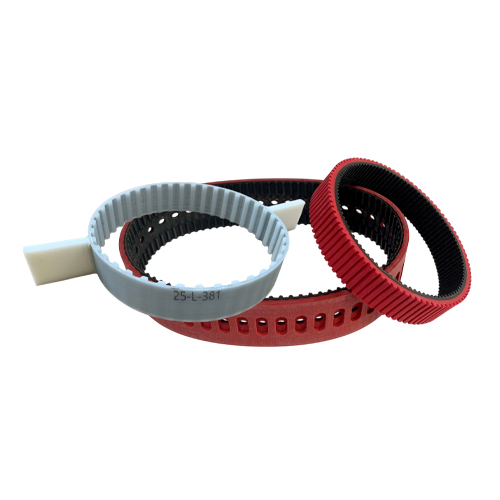
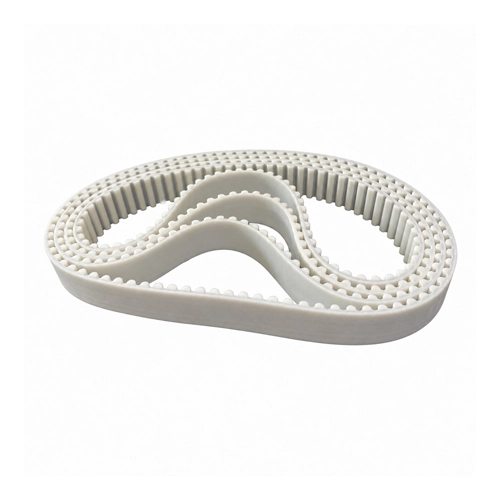
Component Type: Drawing-based PU T1/2 inch belt with Kevlar cord and welded cleats
The Core Issue: The customer needed each cleat group to follow a 60-tooth repeat, so the project depended on tooth-count positioning rather than a general belt specification.
1. The Project Requirement
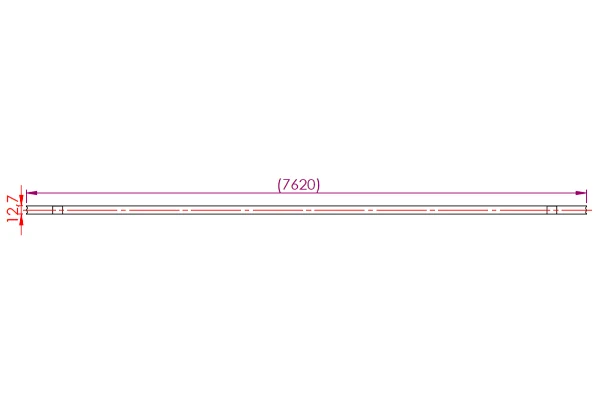
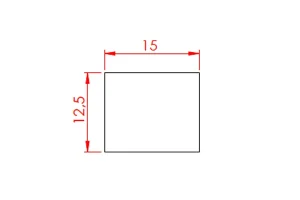
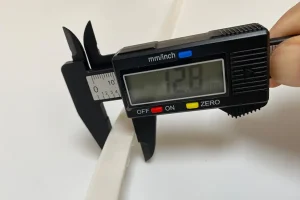
The customer needed a drawing-based belt for synchronized conveying, with cleats positioned according to a fixed tooth-count repeat. The base was specified as a PU T1/2 inch belt with Kevlar cord, while the cleat shape followed the supplied drawing. The requested belt length was 7620 mm, with a 12.7 mm width and 45 Shore A cleats.
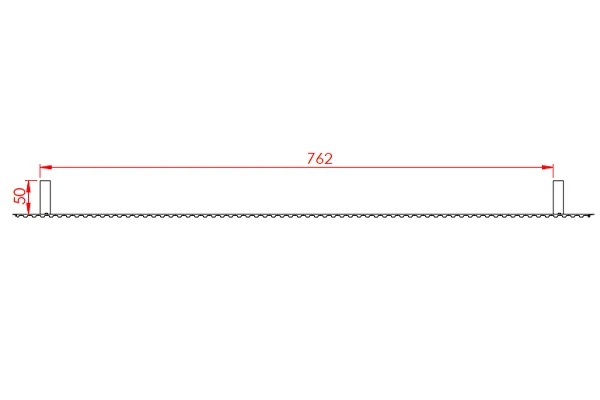
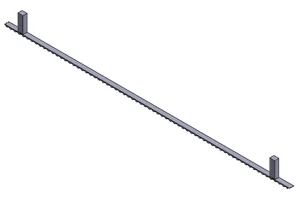
The important detail was the repeat pattern: 10 cleats every 60 teeth. Because the T1/2 inch pitch equals 12.7 mm, 60 teeth form a 762 mm reference section. Across a 7620 mm belt, this creates ten repeated reference sections. If the pattern is repeated through the full length, the layout requires 100 cleat positions.
This made the project a positioning verification case rather than a standard belt purchase. The buyer needed the cleat interval and starting point to match the machine sequence, while the belt still had to engage correctly with the existing pulley system.
2. Supplied Technical Information
| Item | Customer Requirement |
|---|---|
| Base belt | PU T1/2 inch timing belt |
| Tensile member | Kevlar cord |
| Belt width | 12.7 mm |
| Belt length | 7620 mm |
| Cleat hardness | 45 Shore A |
| Cleat quantity logic | 10 cleats every 60 teeth |
| Cleat geometry | As shown in the customer drawing |
3. Drawing Review and Pitch Logic
TRANDVOX reviewed the drawing by using the 60-tooth section as the control unit. This kept the page focus on the project-specific positioning requirement, not on ordinary base belt selection. The belt profile, cord type and width were fixed first, then the cleat placement was checked against the tooth count.
The main timing belt fabrication challenge was not the base belt itself, but how to keep the cleat repeat accurate across the full 7620 mm length. TRANDVOX therefore reviewed the drawing by tooth count, using the 60-tooth section as the control unit before confirming production.
4. Cleat Structure Confirmation
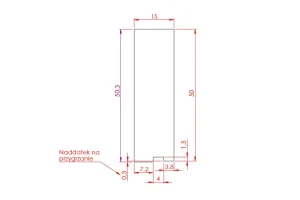
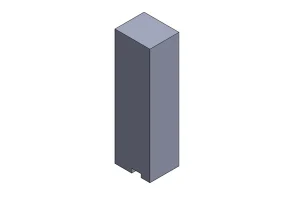
The cleat was not treated as a simple block. The drawing showed a tall attachment with a narrow base feature for welding to the belt surface. Its geometry affects clearance, product contact and the stability of the welded area, so the shape needed to be checked before production.
The customer requested 45 Shore A cleats. The key point was not to compare belt material options, but to confirm whether the supplied cleat shape and hardness could be translated into a repeatable attachment layout on the specified belt.
5. Production Focus
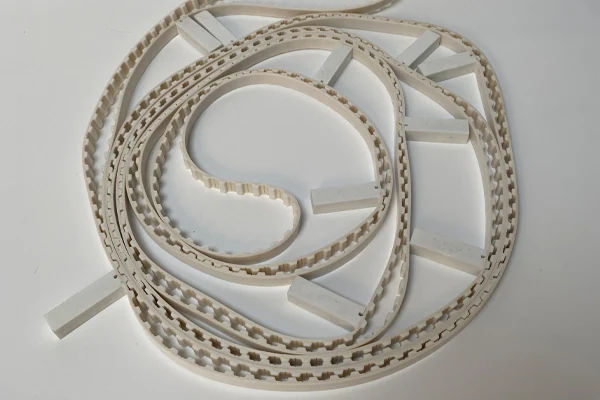
For this belt, the main production focus was consistent positioning. A small error in one 60-tooth section could repeat across the belt and affect the customer’s conveying timing. TRANDVOX therefore treated the cleat group and the tooth count as the inspection reference, rather than relying only on total belt length.
The review focused on these points before delivery:
- T1/2 tooth profile and 12.7 mm belt width
- 7620 mm total belt length
- Kevlar cord construction according to the request
- 10 cleats within each 60-tooth repeat section
- cleat hardness requirement of 45 Shore A
- cleat shape and welded base detail matching the drawing
6. Video
7. Result and Buyer Value
The finished specification converted the customer’s drawing into a clear production layout: 12.7 mm width, 7620 mm length, Kevlar cord construction and a repeated 10-cleat pattern every 60 teeth. The value of this work was in preventing a visually similar belt from being made with the wrong indexing logic.
For overseas buyers, this case shows why a cleated belt order should include both belt data and attachment pattern. Reviewing the drawing, tooth count, cleat geometry and repeat section together helps reduce communication mistakes before production.
8. Buyer Checklist and Inquiry Notes
For similar belts, buyers should confirm pitch, length, width, cord material, cleat hardness, cleat drawing, start position and tooth-count repeat. Send these details with application conditions so TRANDVOX can review the information and help prepare a practical specification for quotation and production coordination.