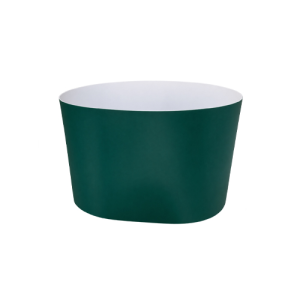
Coil Wrapper Belt
– High-strength, wear-resistant coil wrapper belts for reliable handling, wrapping and processing of steel and metal coils in hot and cold rolling applications
– Available in four coil wrapper belt types, including Kevlar woven belts for hot mill applications, seamless PU belts, felt covered PU belts, and PU covered wire mesh belts with mechanical fastener joints
– Available for hot and cold rolling applications with seamless and mechanically fastened constructions to suit different coil wrapping equipment requirements
Coil Wrapper Belt Construction
Coil wrapper belts are built from reinforcement and covering materials selected to provide the strength, dimensional stability, surface performance, and temperature resistance required for coil wrapping and metal coil handling applications. The belt construction can vary according to the operating temperature, mechanical load, coil surface requirements, and equipment design.
The main construction components include:
- Kevlar Fiber– Provides high tensile strength and heat resistance for demanding operating environments.
- Polyester Reinforcement– Provides tensile strength, dimensional stability, and flexibility for continuous belt operation.
- 304L Stainless Steel Wire Mesh– Provides a strong and dimensionally stable reinforcement structure for belt constructions requiring mechanical joining.
- PU Covering– Provides a durable working surface with wear resistance and suitable contact characteristics for coil handling and wrapping.
- Felt Covering– Provides a softer contact surface where additional protection of the coil surface is required.
The appropriate combination of reinforcement and covering materials depends on the intended operating conditions, coil handling requirements, and equipment design. Belt dimensions, thickness, reinforcement, surface construction, and joining method should be selected based on the specific coil wrapping equipment and application requirements.
Coil Wrapper Belt Types
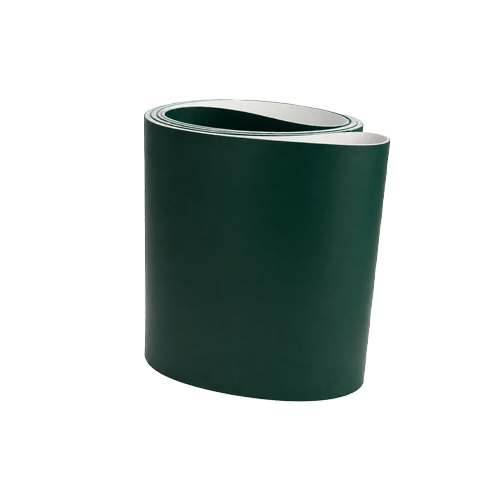
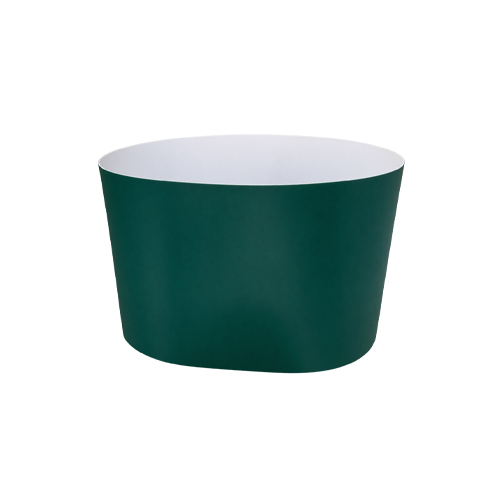
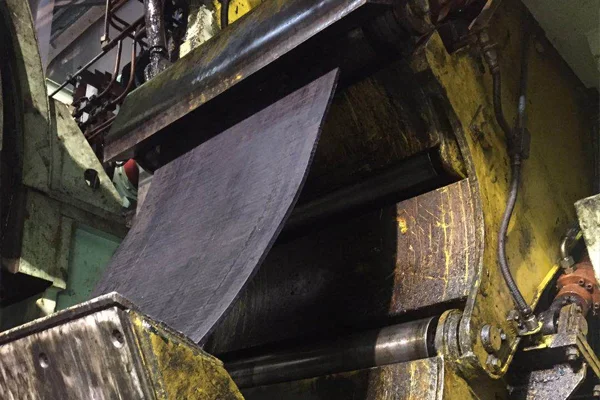
Designed for cold rolling applications, this seamless belt combines woven polyester reinforcement with a PU covering to provide a durable working surface for reliable coil wrapping and handling.
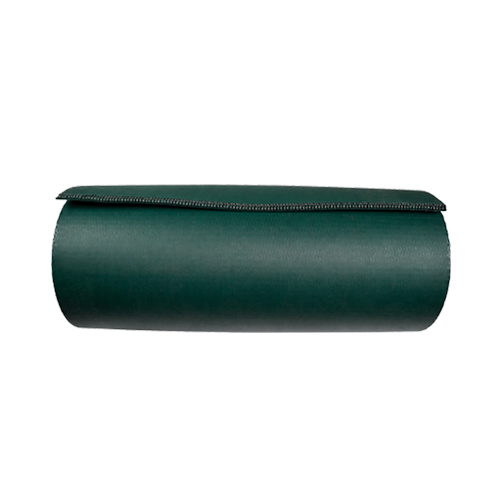
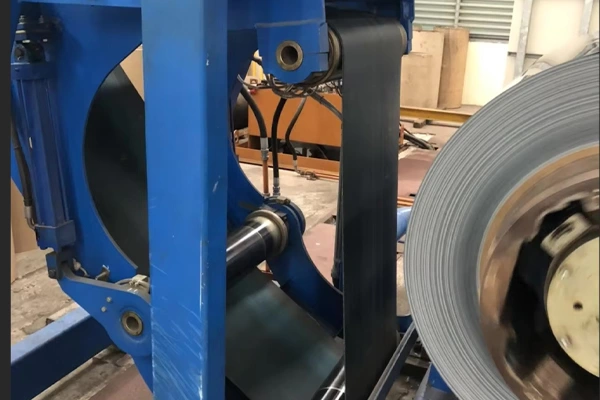
Designed for cold rolling applications, this belt combines 304L stainless steel wire mesh with a PU covering and uses a steel mechanical fastener joint for convenient installation and replacement.
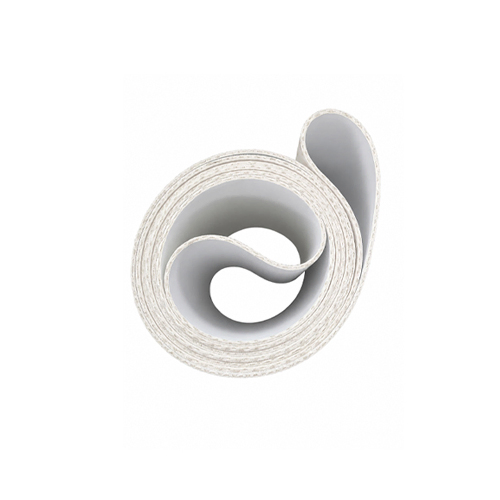
Designed for cold rolling applications, this seamless belt combines woven polyester, PU, and a felt covering to provide a softer contact surface and enhanced coil surface protection.
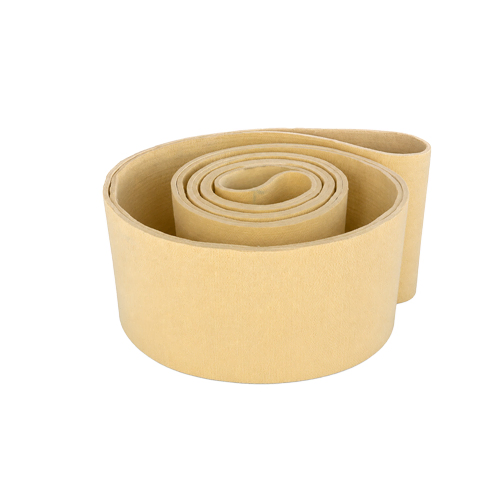
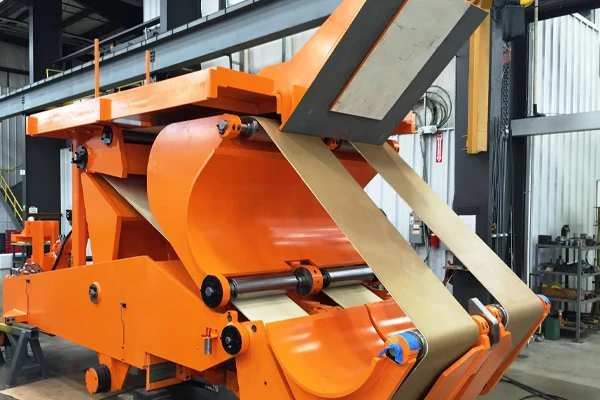
Designed for hot rolling applications, this hot rolling coil wrapper belt uses woven Kevlar fibers to provide high strength and heat resistance for demanding coil wrapping and handling environments.
Coil Wrapper Belt Specifications
| Specification | PU Coil Wrapper Belt | PU Covered Wire Mesh Coil Wrapper Belt | Felt Covered PU Coil Wrapper Belt | Kevlar Hot Mill Coil Wrapper Belt |
|---|---|---|---|---|
| Material | PU + Polyester | PU + 304L Stainless Steel Wire Mesh | Felt + PU + Polyester | Kevlar |
| Color | Green / White | Green / White | White / White | Yellow |
| Thickness | 4–10 mm ±0.5 mm | 8–12 mm ±0.5 mm | 6–12 mm ±0.5 mm | 10 mm ±0.5 mm |
| Hardness | Surface: 92 Shore A Bottom: 85 Shore A |
Surface: 92 Shore A Bottom: 85 Shore A |
— | — |
| Force at Elongation | 70 N/mm at 1% 130 N/mm at 2% |
70 N/mm at 1% 130 N/mm at 2% |
70 N/mm at 1% 130 N/mm at 2% |
130 N/mm at 1% |
| Ultimate Tensile Strength | 660 N/mm | 350 N/mm | 660 N/mm | 900 N/mm |
| Maximum Speed | 380 m/min | 380 m/min | 380 m/min | 400 m/min |
| Minimum Pulley Diameter | Forward: 85 mm Reverse: 110 mm |
Forward: 85 mm Reverse: 110 mm |
Forward: 85 mm Reverse: 110 mm |
Forward: 70 mm Reverse: 120 mm |
| Working Temperature | −20°C to +90°C | −20°C to +90°C | −20°C to +200°C | −40°C to +550°C |
| Joint | Seamless | Steel Mechanical Fastener | Seamless | Seamless |
Get Free Quote of Coil Wrapper Belt
Looking for a reliable coil wrapper belt supplier for hot rolling, cold rolling, steel coil wrapping, or metal coil handling applications?
TRANDVOX supports coil wrapper belt sourcing based on your equipment requirements, belt specifications, application conditions, and installation requirements. We coordinate product sourcing, technical confirmation, fabrication requirements, and quality checks with qualified suppliers.
Contact TRANDVOX for a coil wrapper belt quote and provide your belt dimensions, application conditions, equipment information, or existing belt sample for specification review.
Custom Coil Wrapper Belt Solutions
TRANDVOX supports customers in sourcing coil wrapper belts according to specific equipment requirements and operating conditions. We help match suitable belt solutions to the customer’s machine, coil handling process, and working environment.
Our support includes:
- Application and Equipment Review– Reviewing the rolling or coil wrapping process, machine configuration, and operating conditions.
- Product Recommendation– Recommending a suitable belt type based on temperature, coil handling conditions, surface contact requirements, and joining method.
- Specification Matching– Confirming belt dimensions and technical requirements against available supplier specifications.
- Drawing and Sample Confirmation– Reviewing technical drawings, existing belt samples, dimensions, and other reference information for replacement or custom requirements.
- Fabrication Coordination– Coordinating required belt processing and preparation with qualified suppliers.
- Quality Inspection– Coordinating key quality checks before shipment to help ensure the supplied belt matches the approved requirements.
This sourcing approach helps customers obtain coil wrapper belts matched to their equipment and application requirements.
Coil Wrapper Belt Applications
Coil wrapper belts are used in industrial systems for handling and wrapping metal coils during rolling, processing, and packaging operations. Their construction can be selected according to the coil material, operating conditions, handling requirements, and machine configuration.
Steel Coil Wrapping
Coil wrapper belts are used in steel coil wrapping systems to support, guide, and handle coils during protective wrapping and packaging processes. The belt helps maintain controlled coil movement while supporting continuous machine operation.
Aluminum Coil Wrapping
Coil wrapper belts can be used in aluminum coil wrapping and handling systems where controlled belt contact and reliable coil movement are required. The belt surface and construction can be selected according to the coil characteristics and equipment requirements.
Rolling Mill Coil Handling
Coil wrapper belts are used in equipment associated with hot and cold rolling processes for handling coils during transfer, wrapping, and related processing operations. Belt selection depends on operating temperature, coil weight, machine speed, and belt installation requirements.
Coil Wrapping Machines
Coil wrapper belts can be integrated into automatic and semi-automatic coil wrapping machines for coil positioning, support, rotation, and controlled movement during the wrapping process. Belt dimensions and joining configuration should be matched to the machine design.
Coil Transfer and Handling
Coil wrapper belts are used in coil transfer and handling systems to support and control the movement of steel and other metal coils through processing and packaging equipment. They can help maintain stable coil movement during transfer, positioning, and handling operations where consistent belt performance is required.
Coil Wrapper Belt Selection
Selecting the right coil wrapping belt depends on the actual operating conditions of the equipment. The main selection factors include operating temperature, coil weight, coil dimensions, belt load, running speed, minimum pulley diameter, contact surface requirements, and joining method.
For example, the required working temperature, maximum speed, and minimum pulley diameter should be checked against the values listed for each belt type.
Operating Temperature
Operating temperature is one of the primary factors when selecting a coil wrapper belt. The required belt temperature range should be compared with the actual working conditions of the equipment.
Belt Load and Tensile Performance
Belt load and required tensile performance should be considered together with coil weight, belt width, and machine operating conditions. The belt’s force at elongation and ultimate tensile strength should be checked against the application requirements.
Surface Contact Requirements
Where the belt directly contacts the coil, the required surface characteristics should be considered. Different surface constructions can be selected according to contact and protection requirements.
Pulley and Running Conditions
The minimum pulley diameter and maximum belt speed should be checked before selection to ensure compatibility with the equipment configuration.
Joining Method
The required installation method should also be confirmed. Seamless construction and mechanically fastened construction are available for different equipment configurations.
FAQ
A coil wrapper belt is a specialized industrial belt used in coil wrapping, handling, and processing equipment for steel and other metal coils. It helps support and control coil movement during wrapping and related operations.
Coil wrapper belts are commonly used in coil wrapping, rolling mill coil handling, coil transfer, and metal coil packaging applications.
Important information includes the application, operating temperature, coil weight and dimensions, belt width and thickness, running speed, pulley diameter, contact surface requirements, and joining method. These details help determine a suitable belt type and specification.
Hot mill applications involve higher operating temperatures and require belt constructions suitable for elevated-temperature conditions. Cold rolling applications generally operate at lower temperatures and use different belt constructions according to load, surface contact, and equipment requirements.
Yes. Coil wrapper belts can be supplied according to the required belt width, thickness, length, and equipment dimensions. Technical requirements can be confirmed using drawings, existing belt samples, dimensions, or other available reference information.
Yes. An existing belt, belt sample, technical drawing, or dimensional information can be used as a reference for replacement sourcing. The belt construction, dimensions, operating conditions, and other relevant requirements should be confirmed before supply.